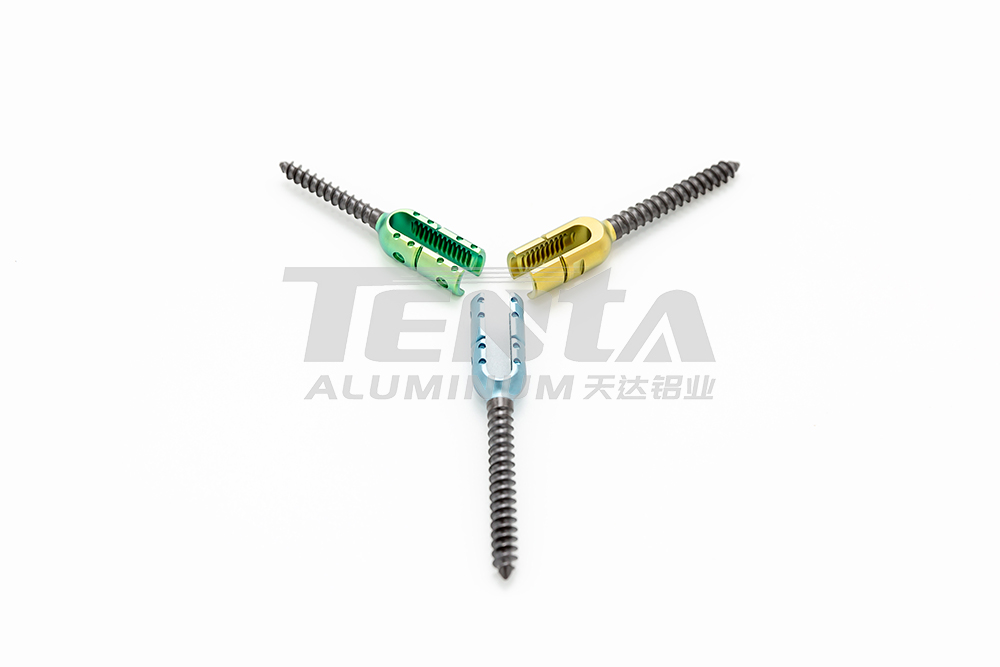
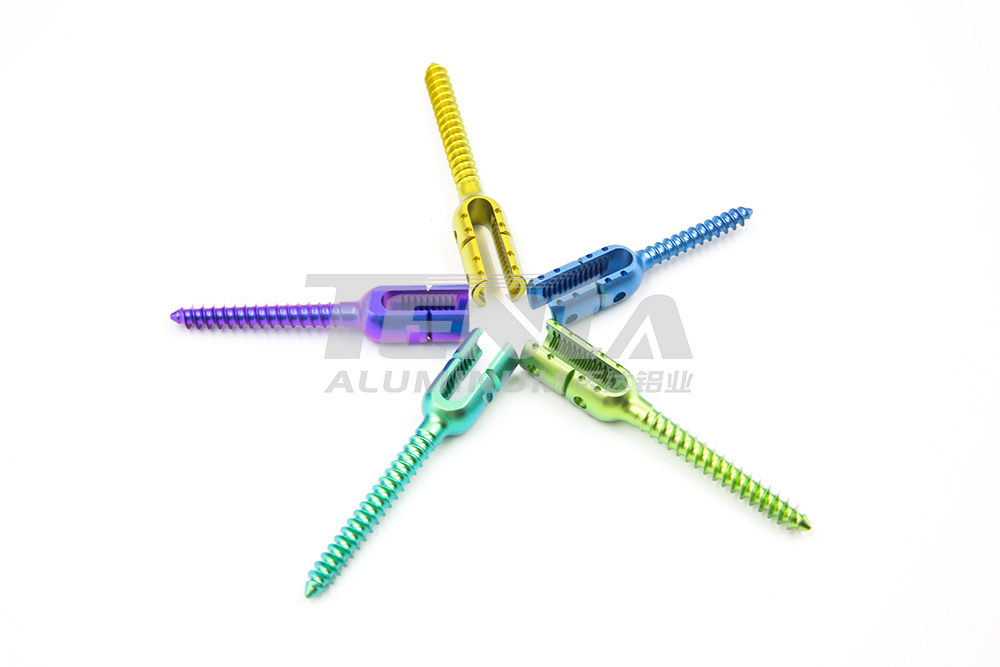
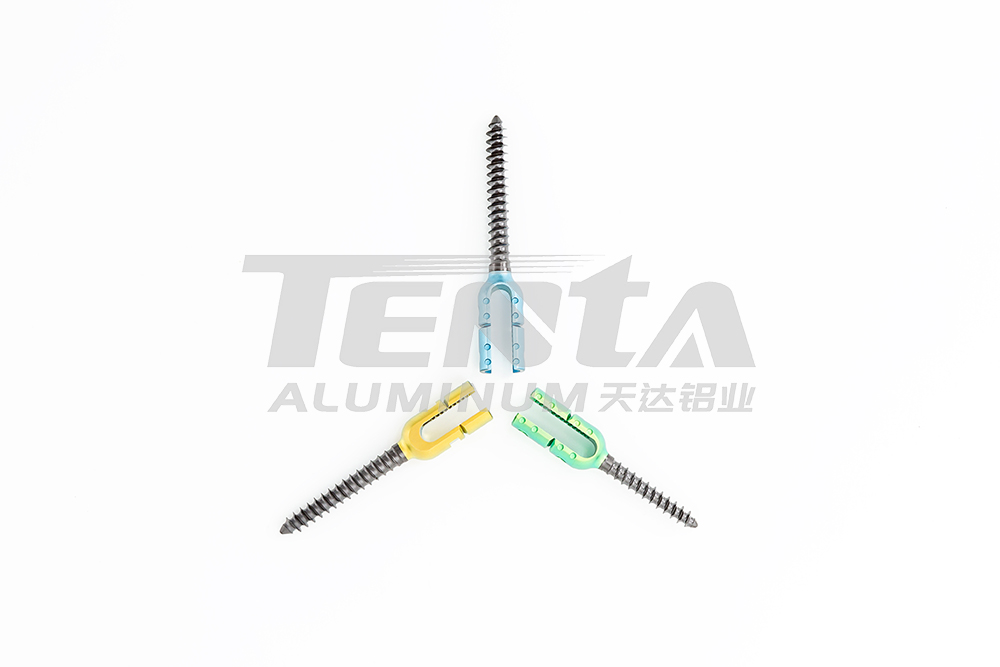
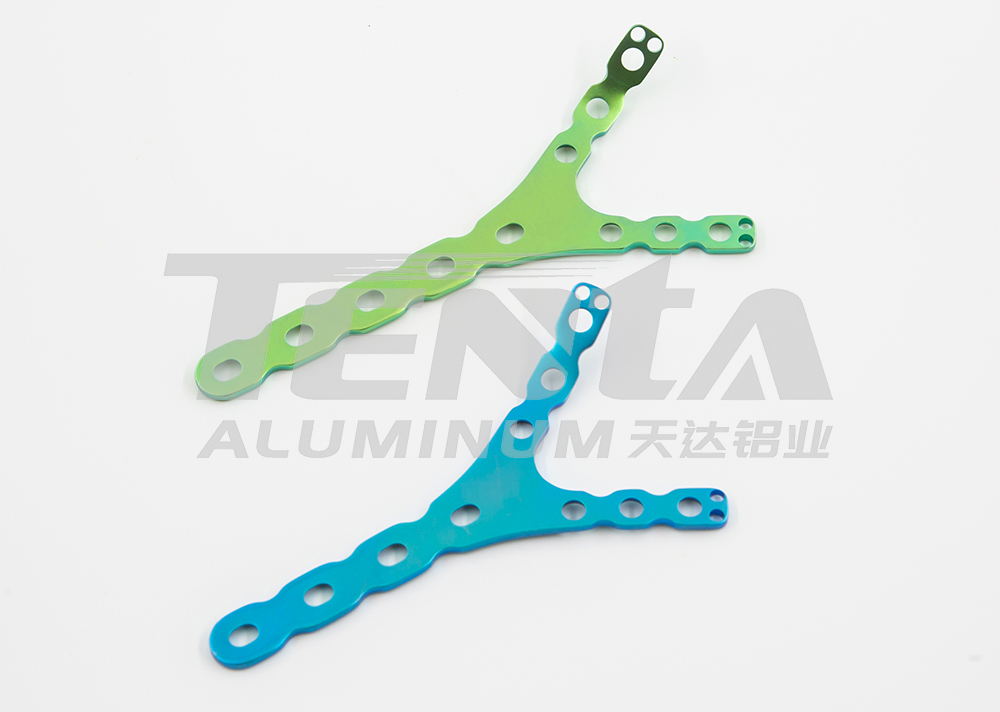
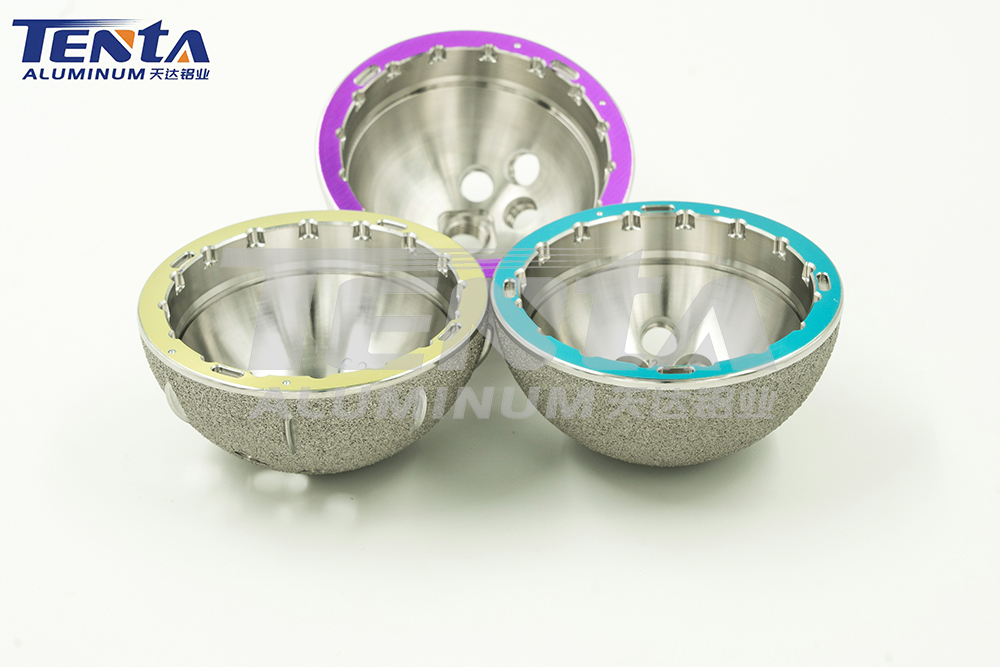
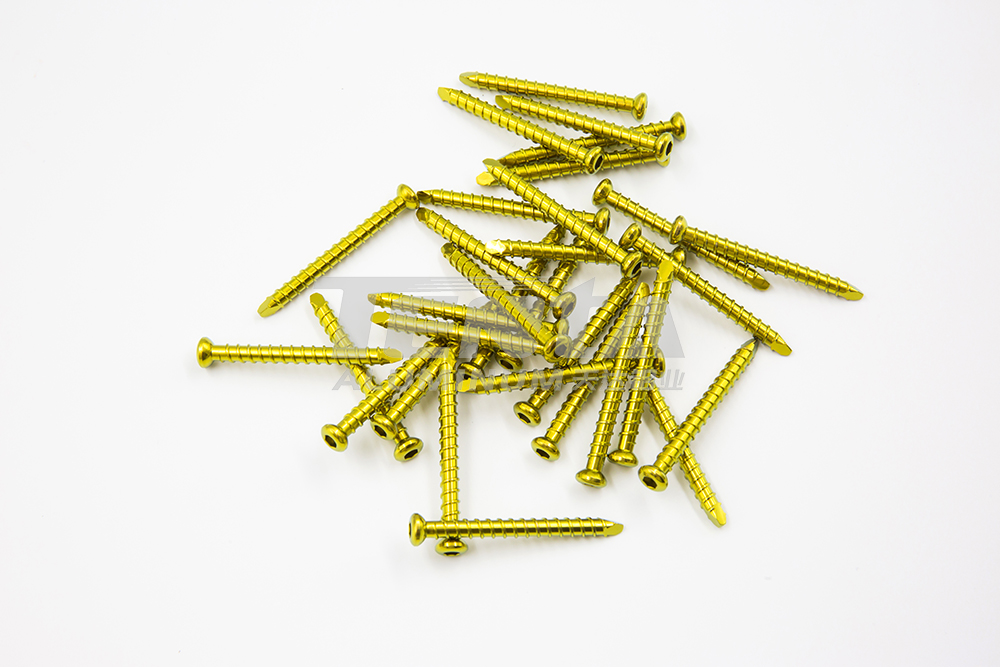
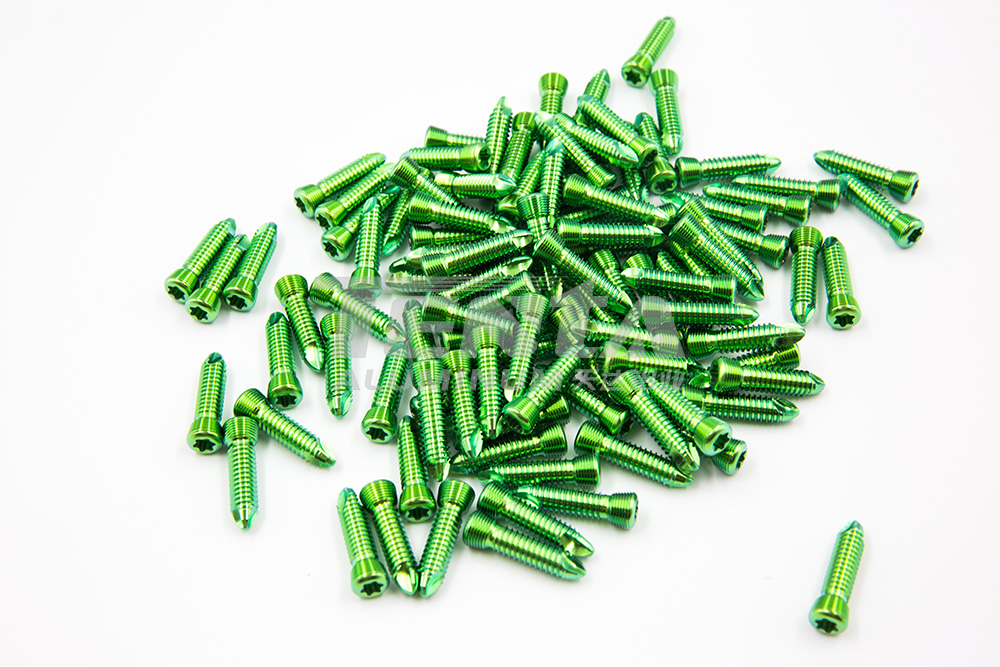
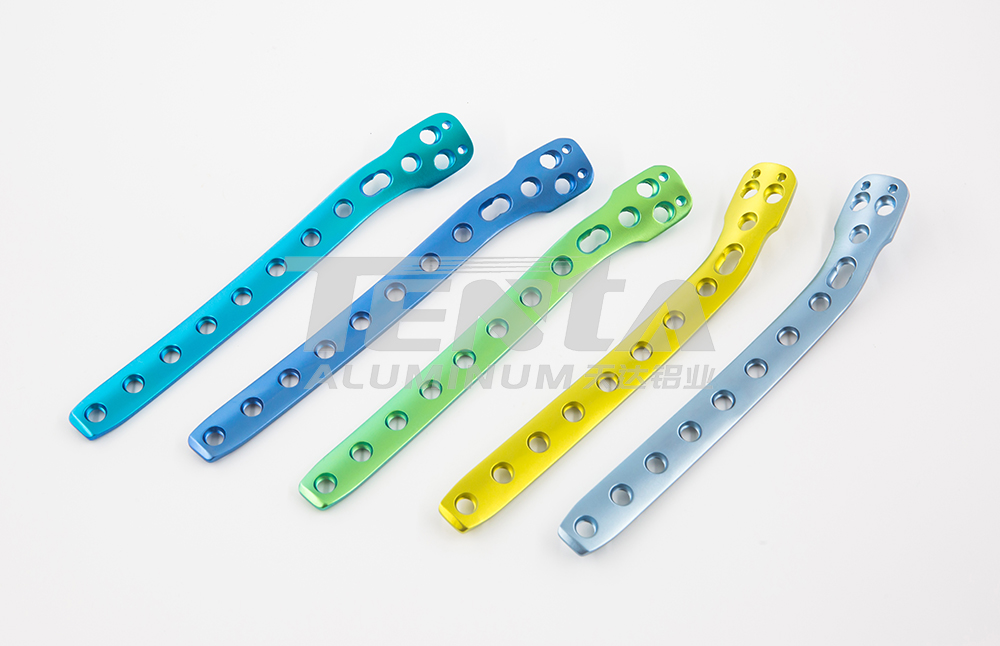
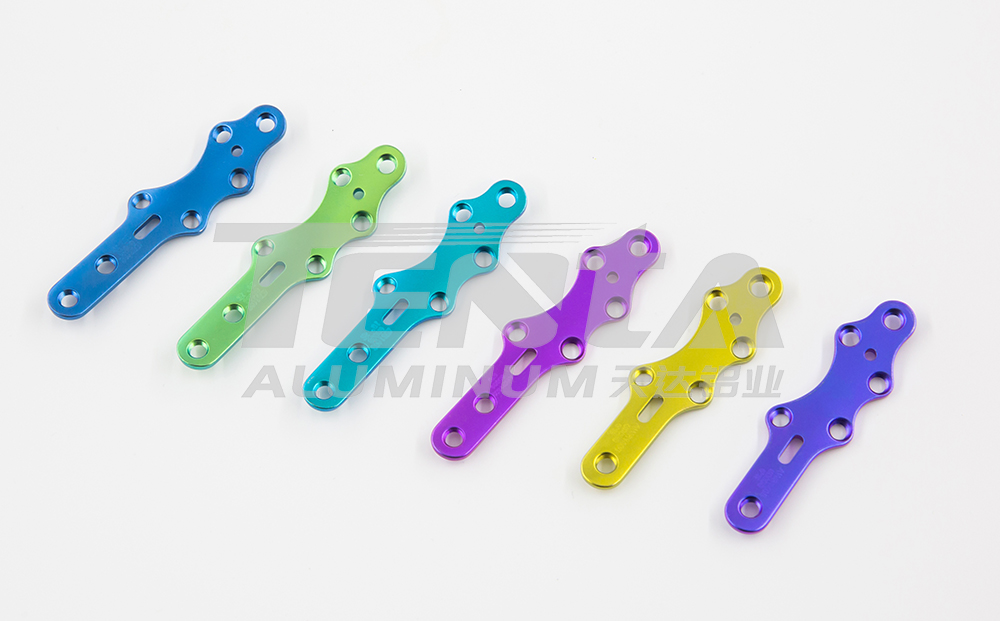
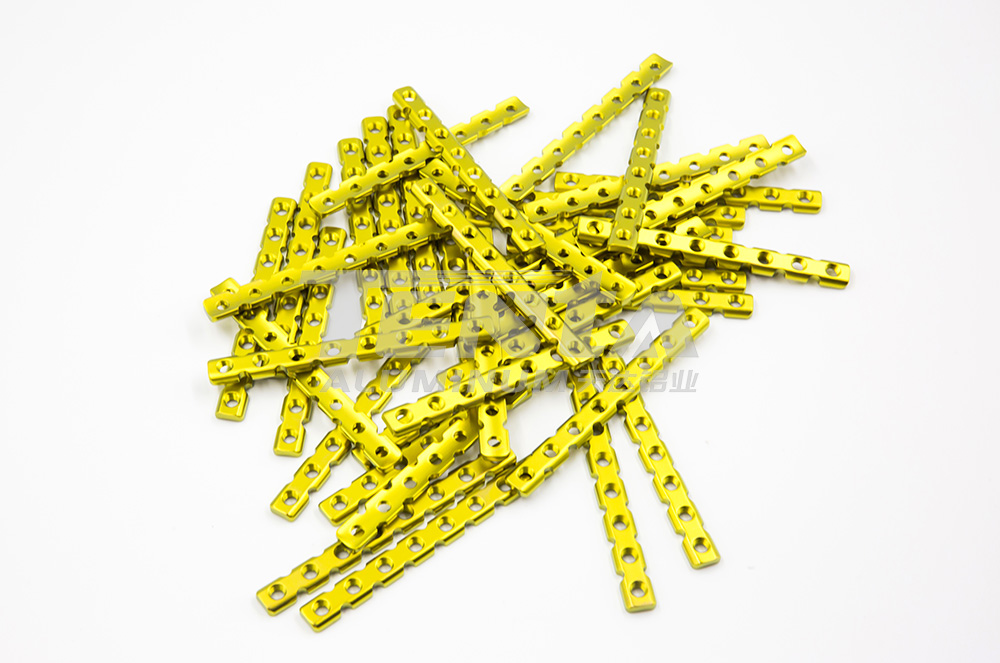
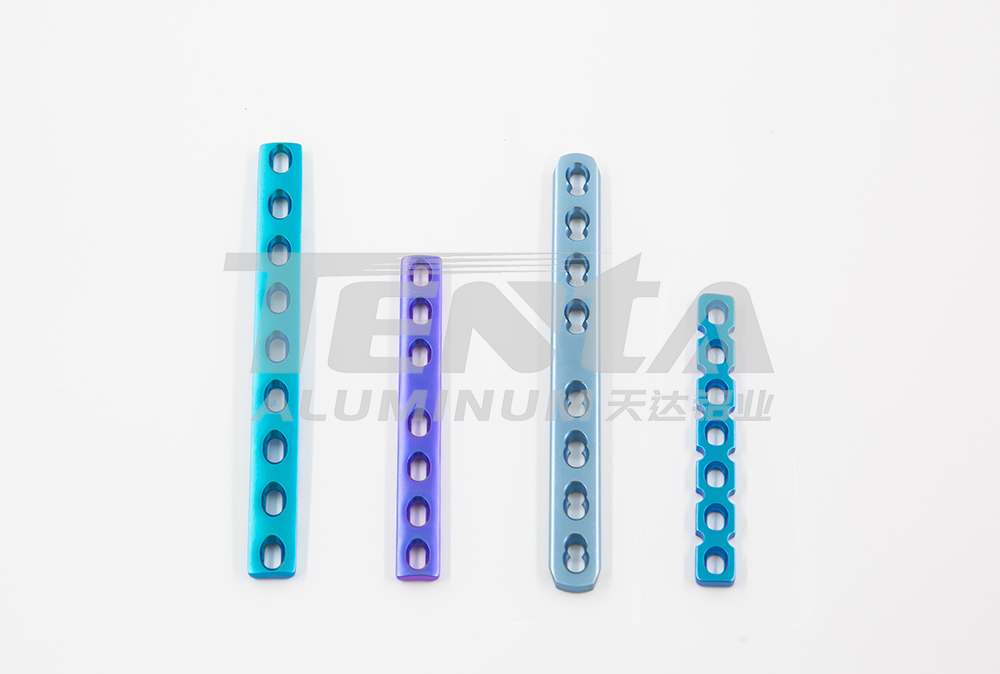
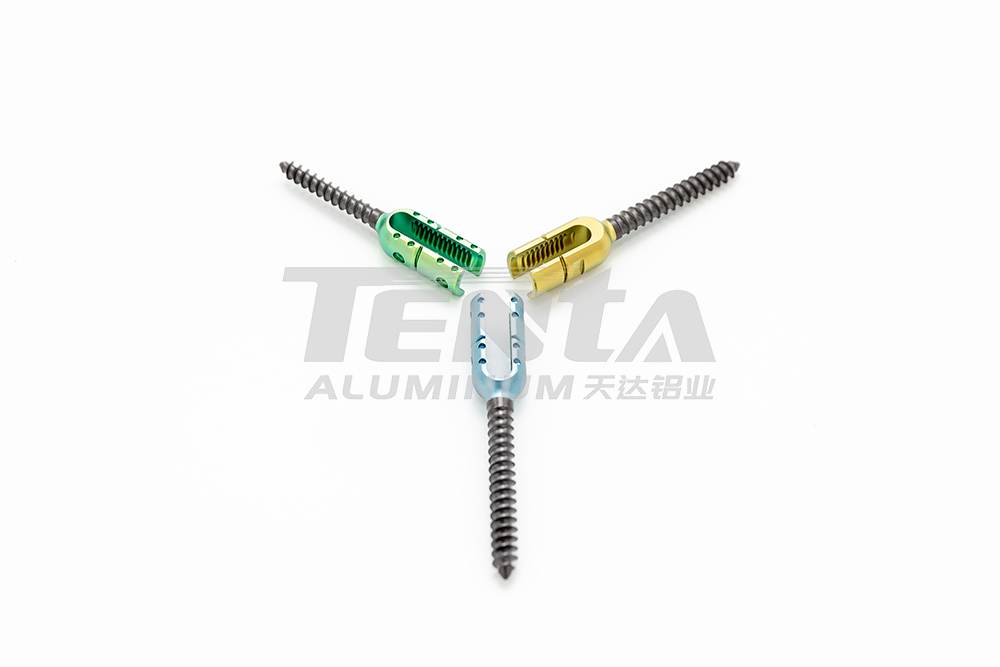
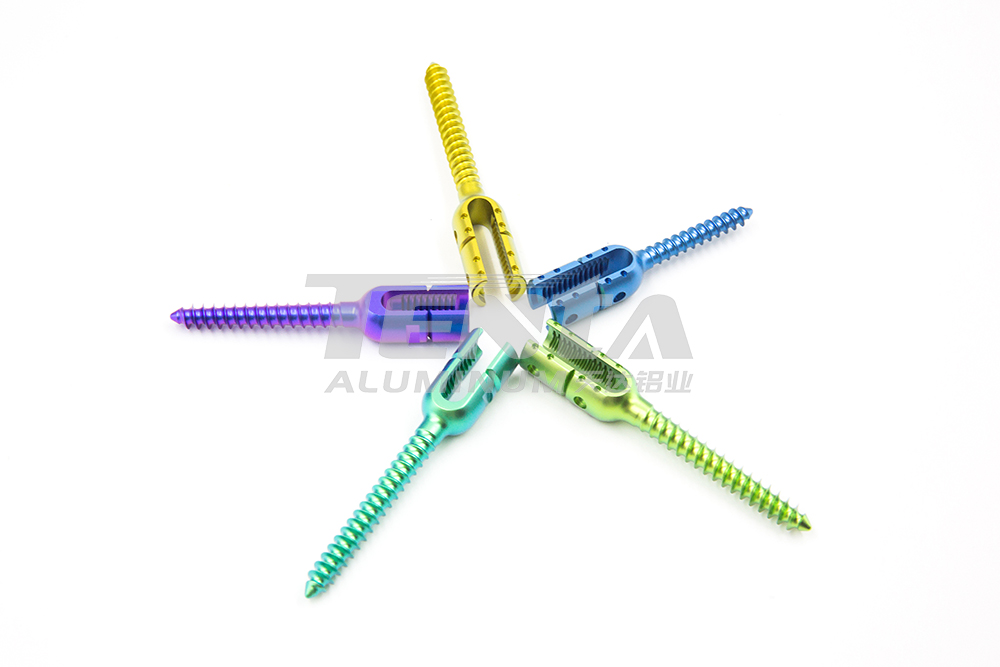
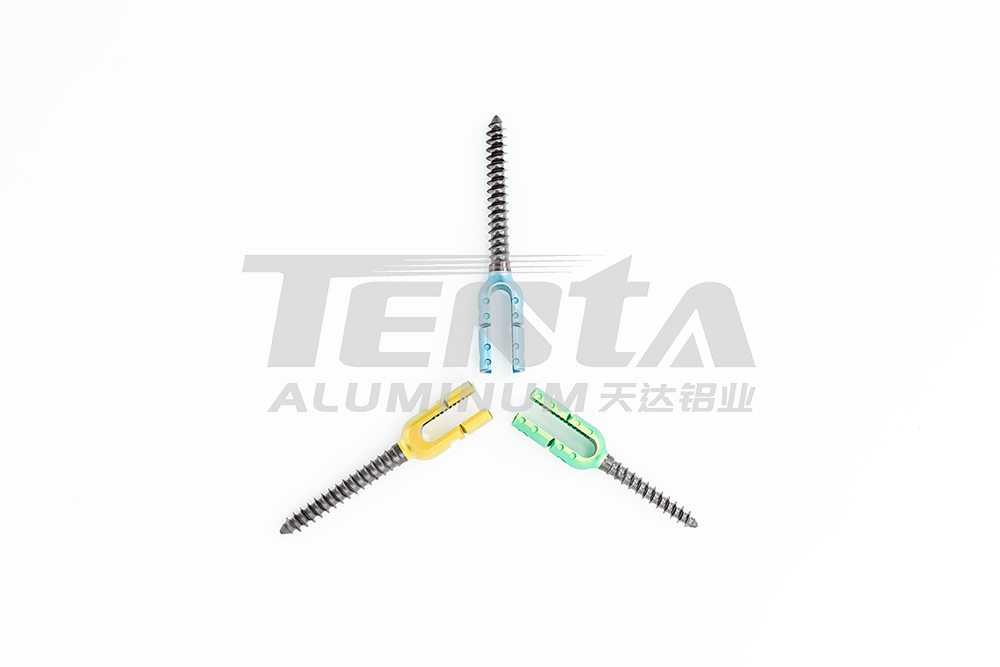
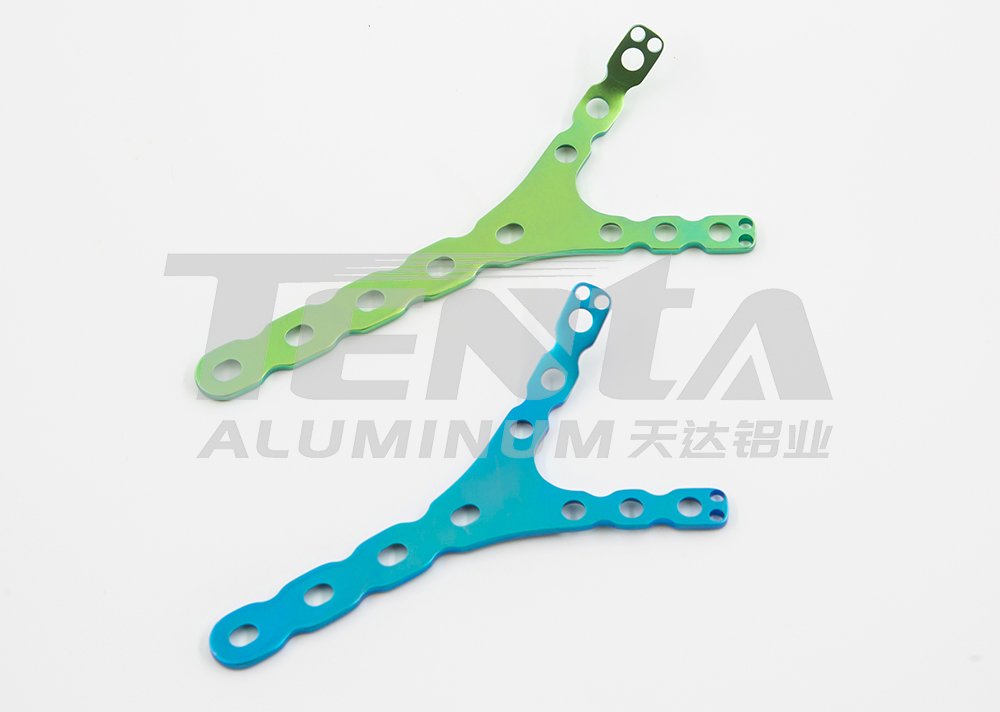
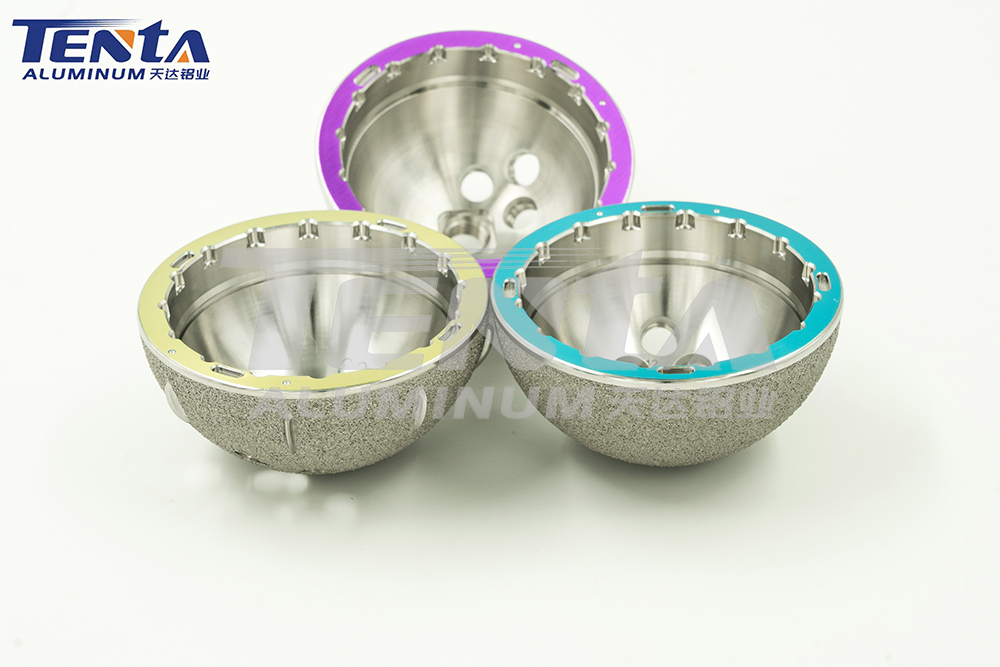
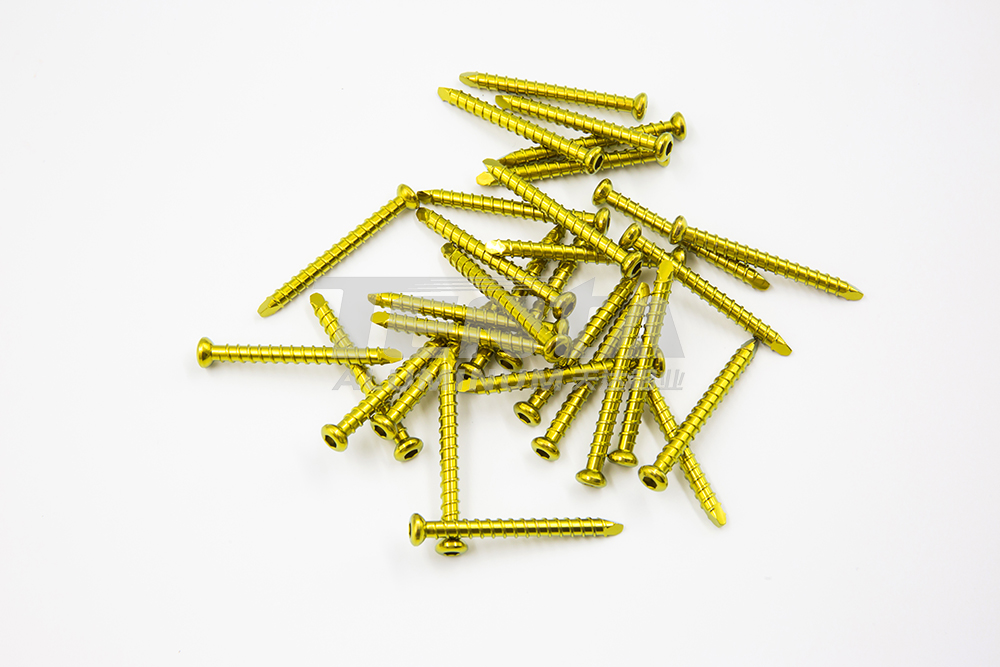
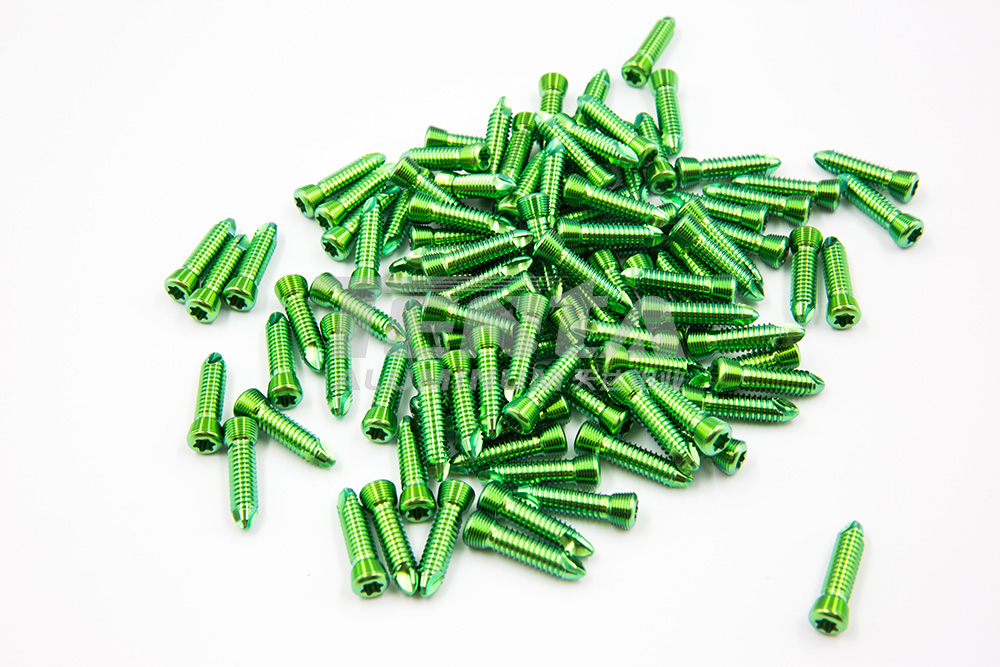
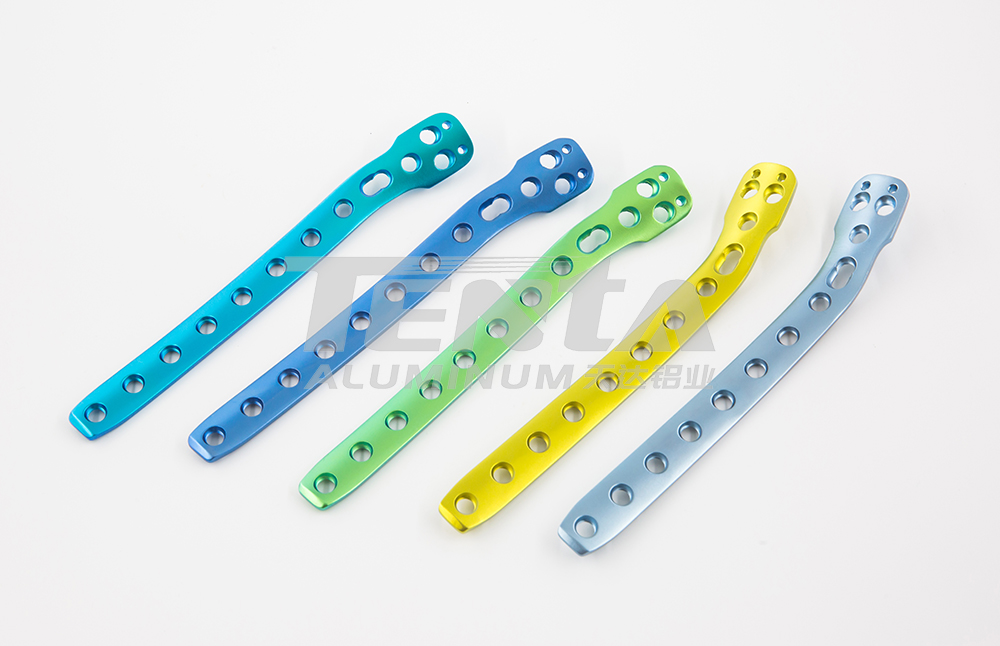
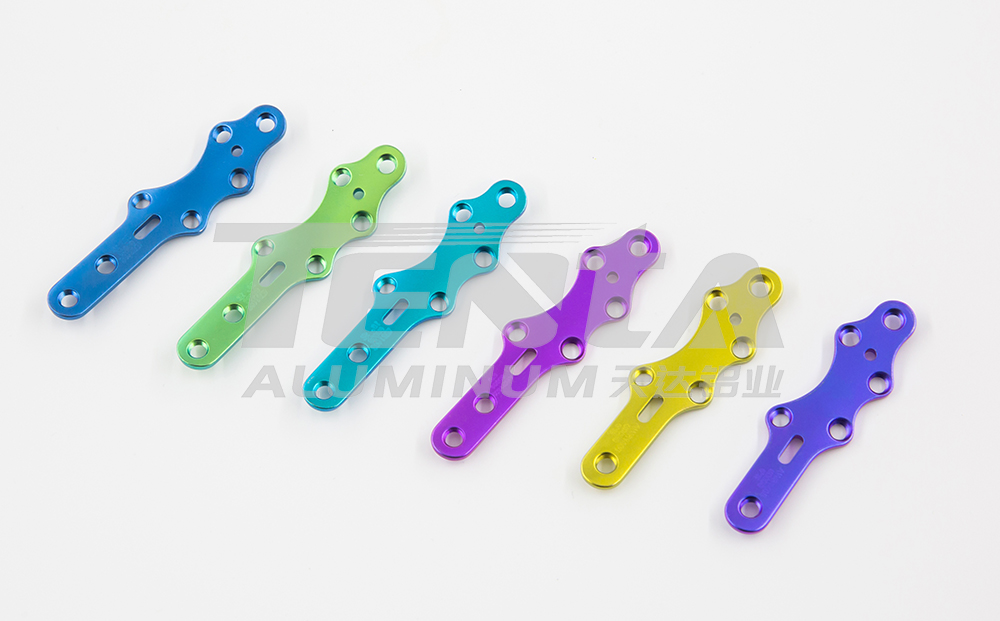
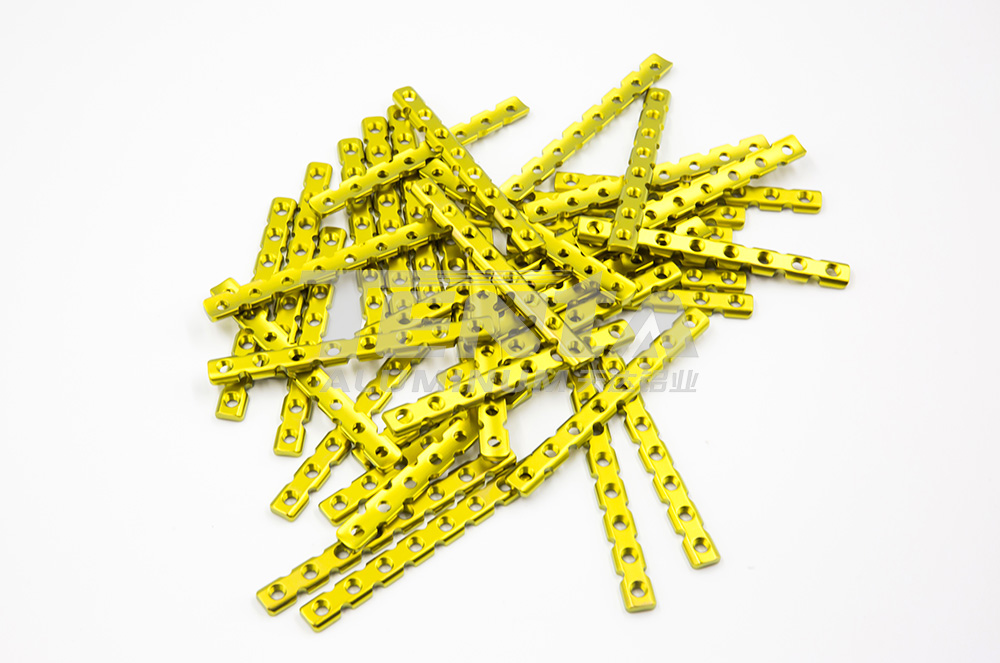
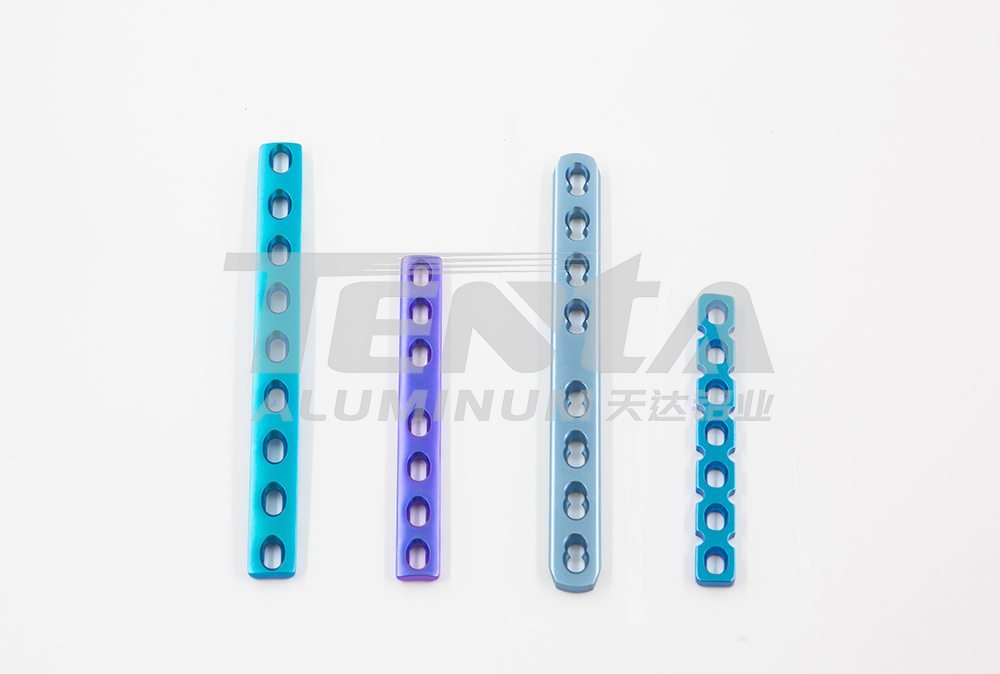
With the development of the economy, the continuous emergence of new technologies, and the ever-expanding applications of titanium and its alloys, research on titanium alloy surface treatment has intensified around the world over the past decade or more. Preparing nano-structures on titanium and titanium alloy surfaces via anodic oxidation to improve wear resistance, corrosion resistance, and biocompatibility has become one of the hotspots in current research.
Anodic oxide films on titanium and titanium alloys offer higher hardness, strength, corrosion resistance, and wear resistance than titanium itself, prevent oxygen permeation, and can display a variety of colors, making them ideal protective and decorative layers. To achieve anodic oxidation of titanium and titanium alloys, the titanium surface must be cleaned in advance so that the resulting colors are bright and lustrous.
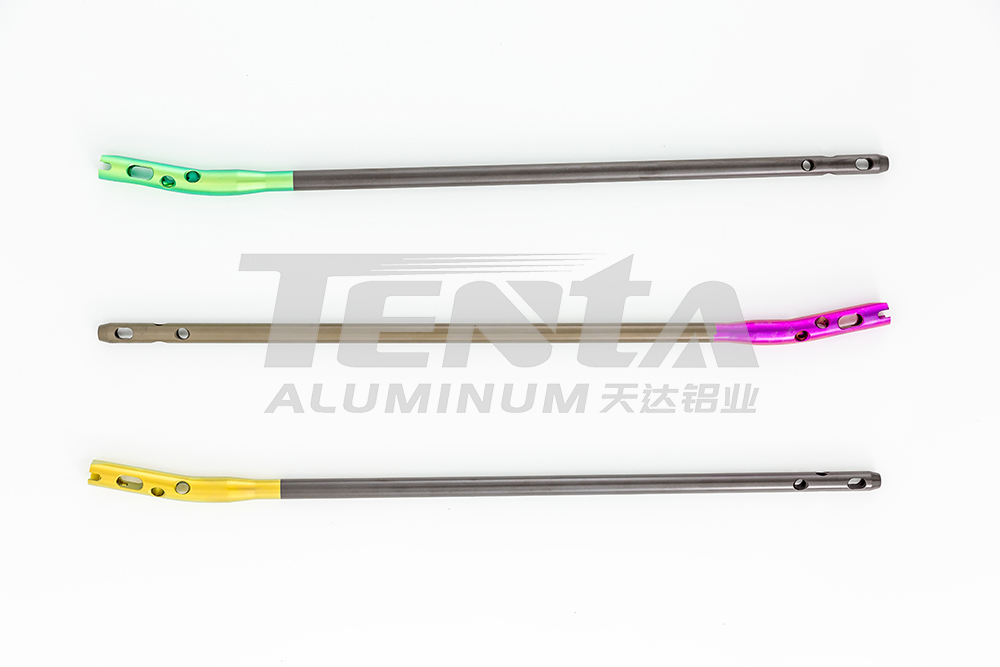
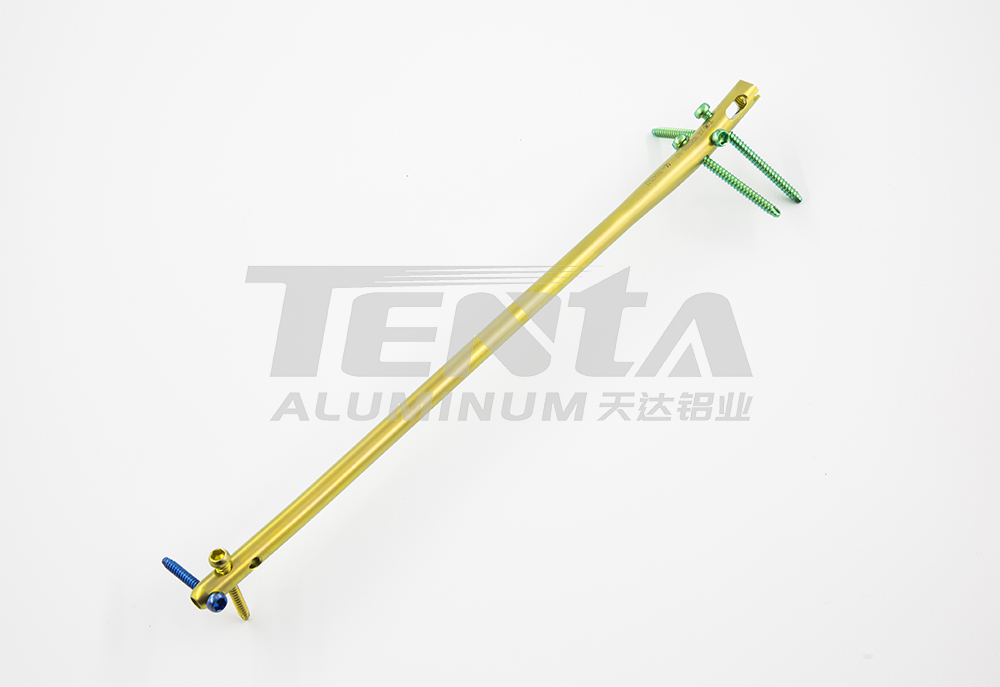
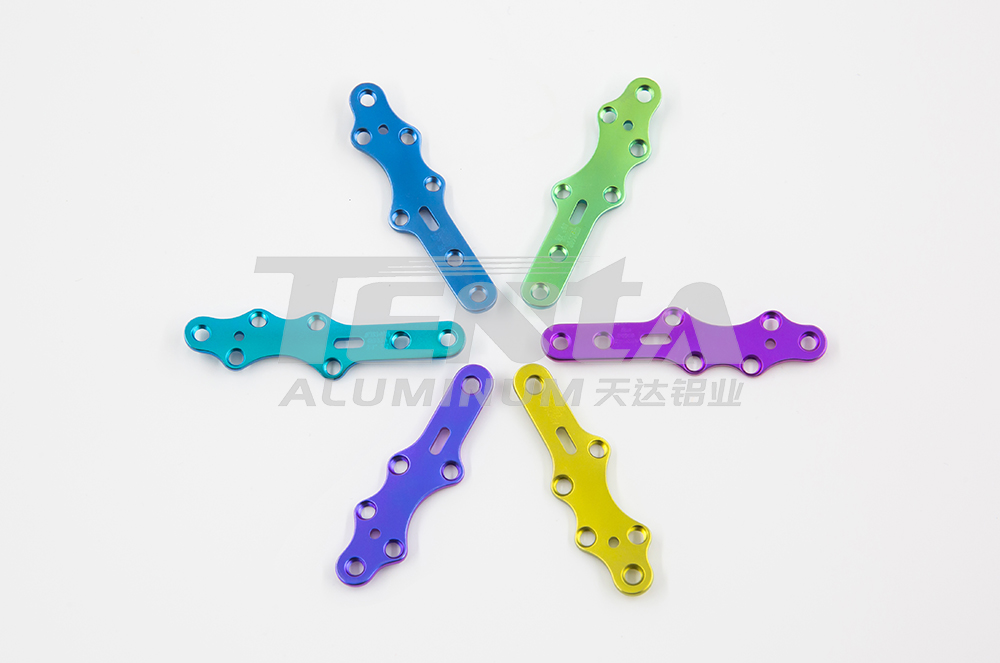
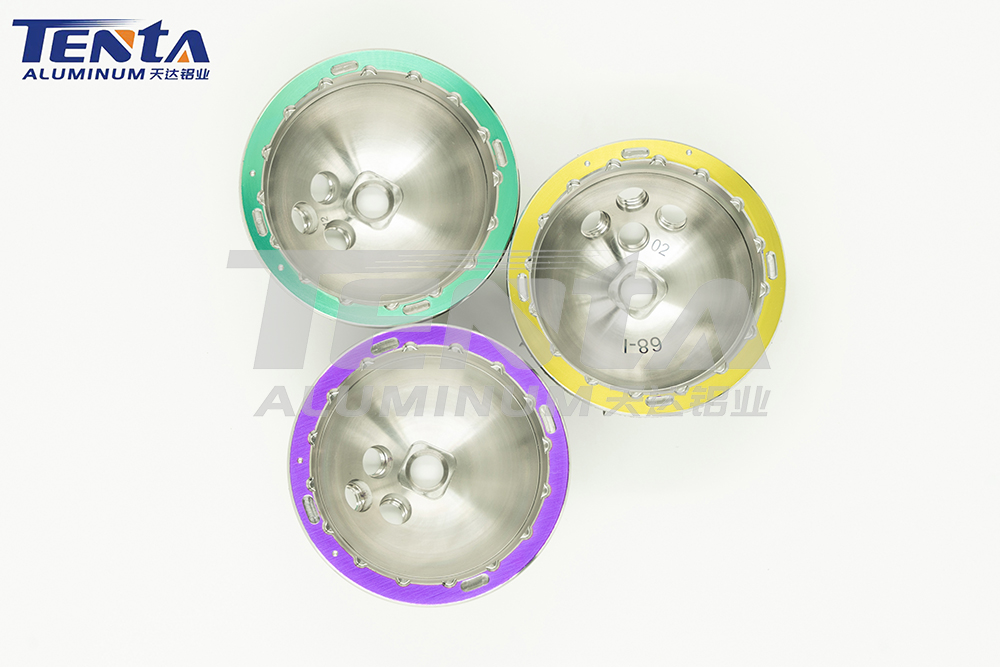
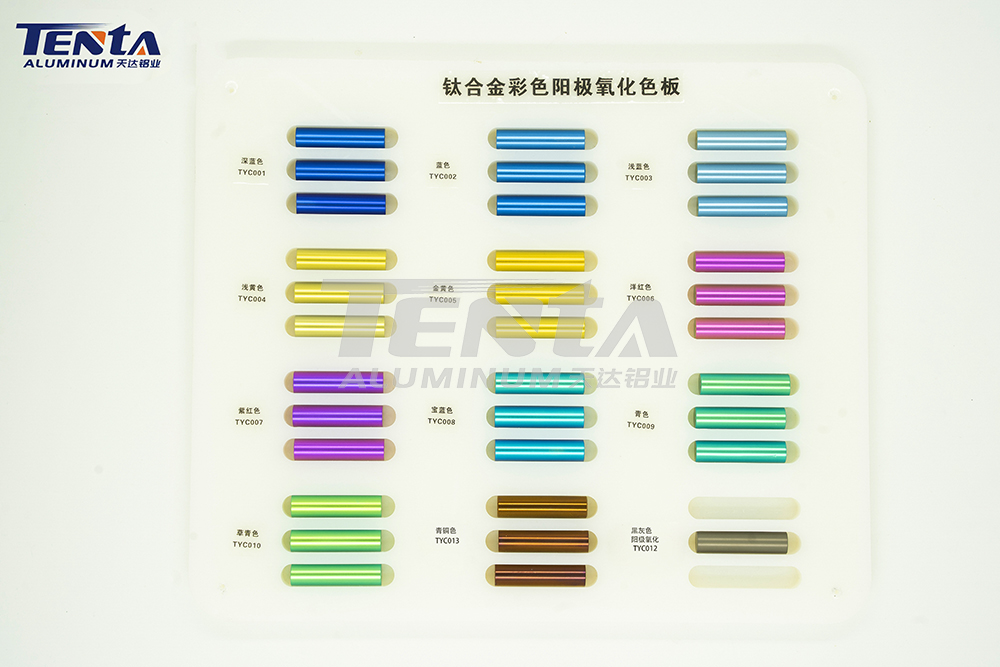
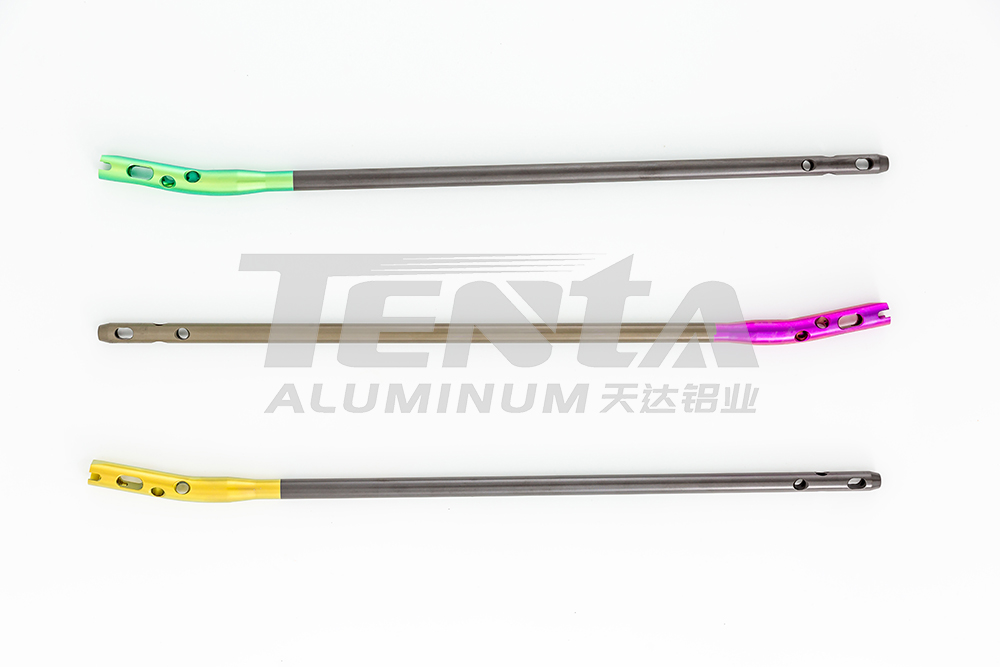
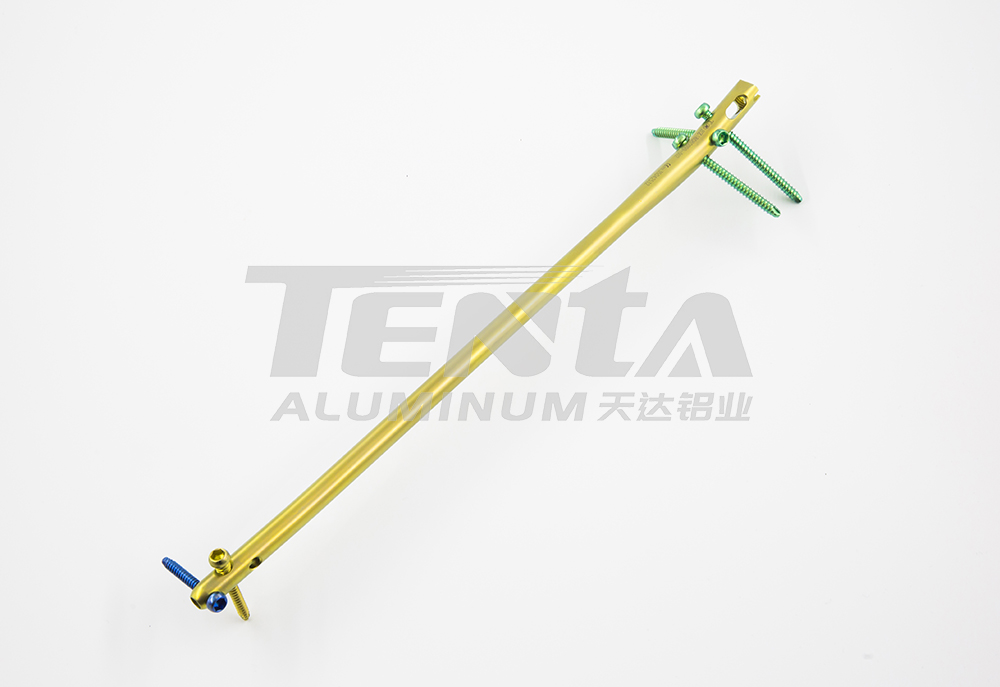
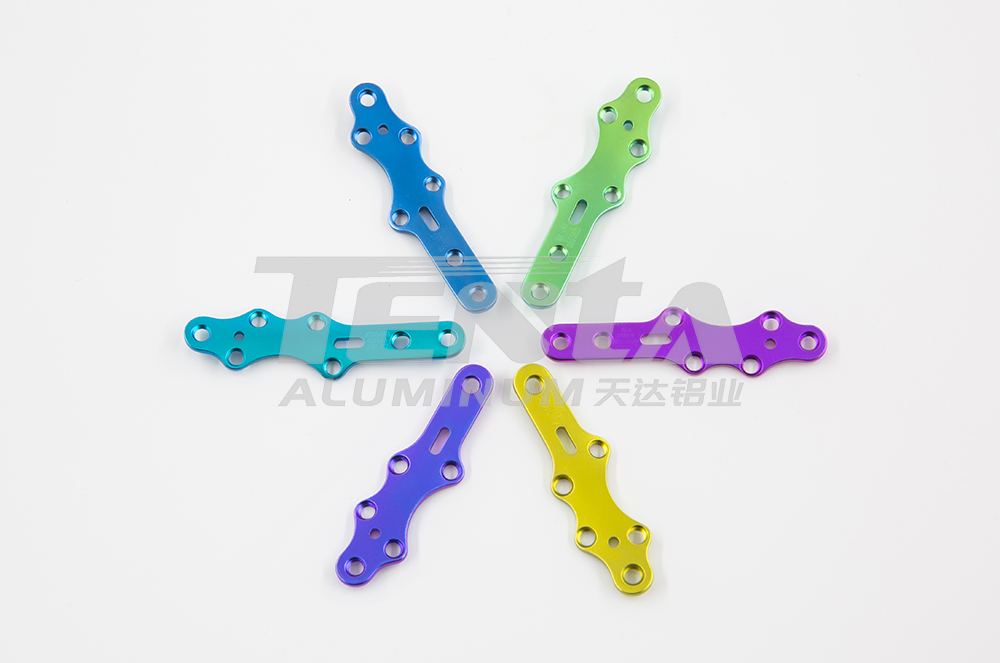
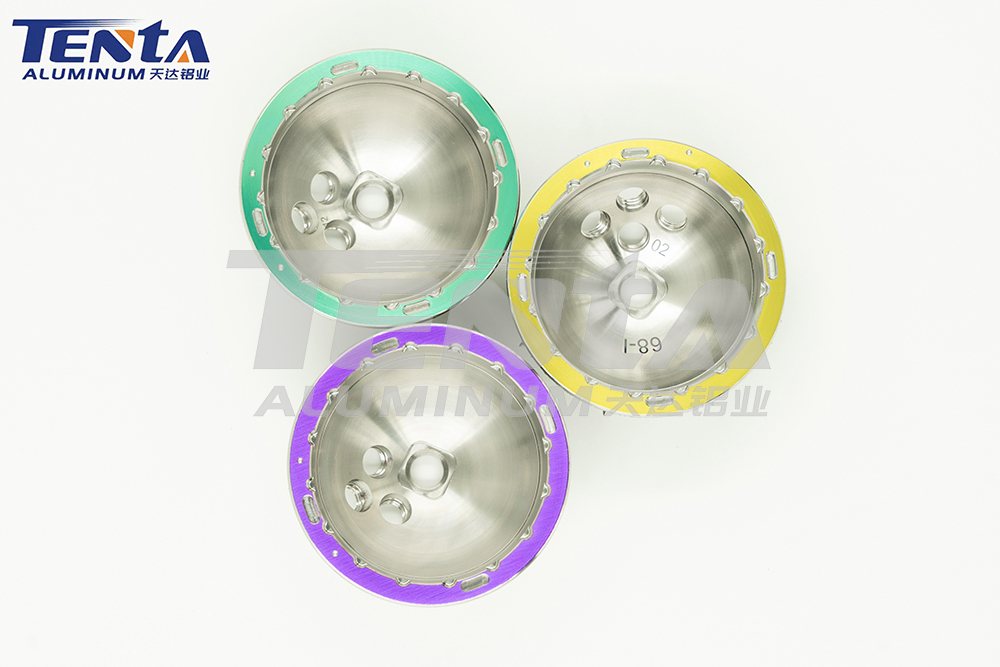
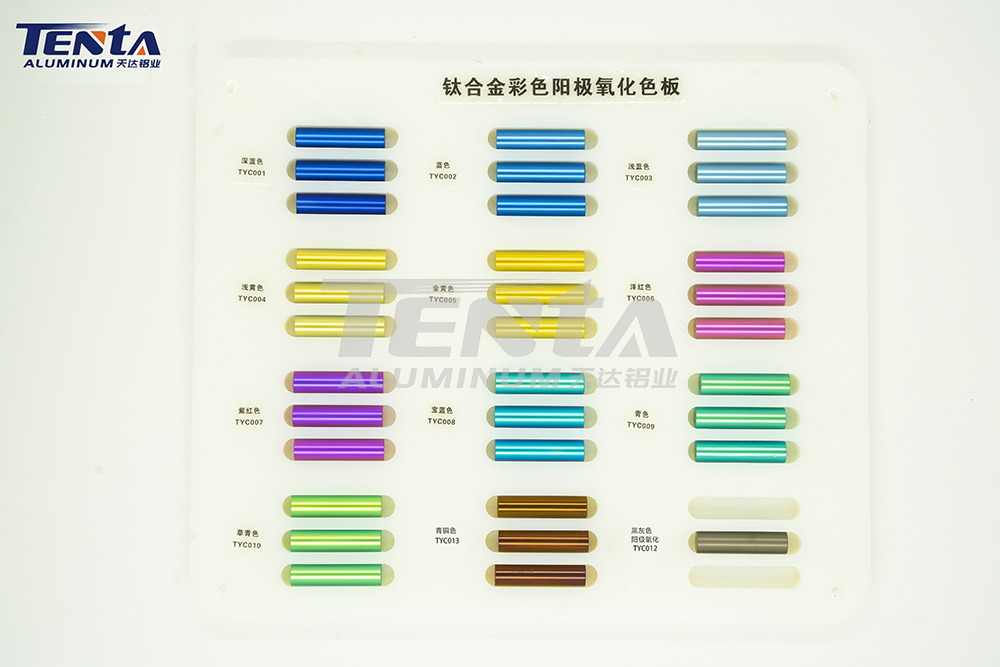
Surface oxidation treatment of titanium and titanium alloys can produce a wide range of colors, including bronze, brown, deep blue, blue, light yellow, golden yellow, magenta, purple red, cyan, green, and more than a dozen other color films. The film surface is smooth, continuous, uniform, and dense, and bonds firmly to the base metal. The process is generally suitable for titanium alloys such as TC4, TC1, TC2, TA1, TA2, and TA3, and can be used for decorative and marking purposes.
In 2018, Tenta Aluminum established a dedicated titanium alloy anodizing business unit focused primarily on the orthopedic implant industry. The current titanium alloy color anodizing technology has been validated by multiple customers in the industry, fully complies with the YY/T 1615-2018 industry standard, and also outperforms other manufacturers in the industry in terms of appearance. Tenta Aluminum has earned consistent praise from customers for its excellent quality and attentive service.
