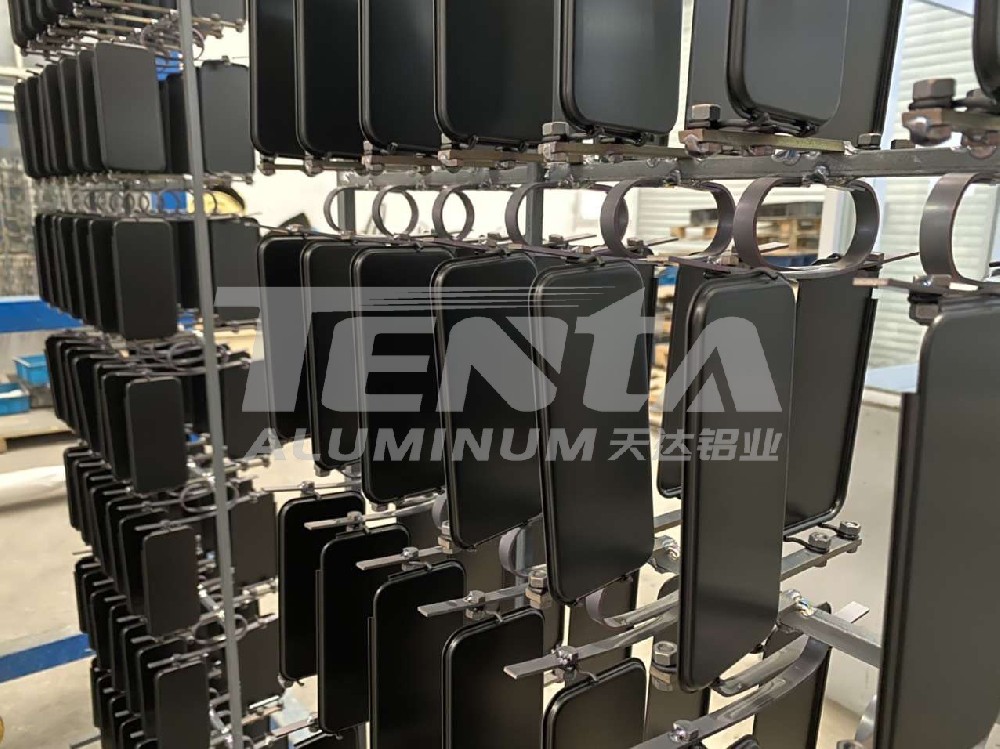
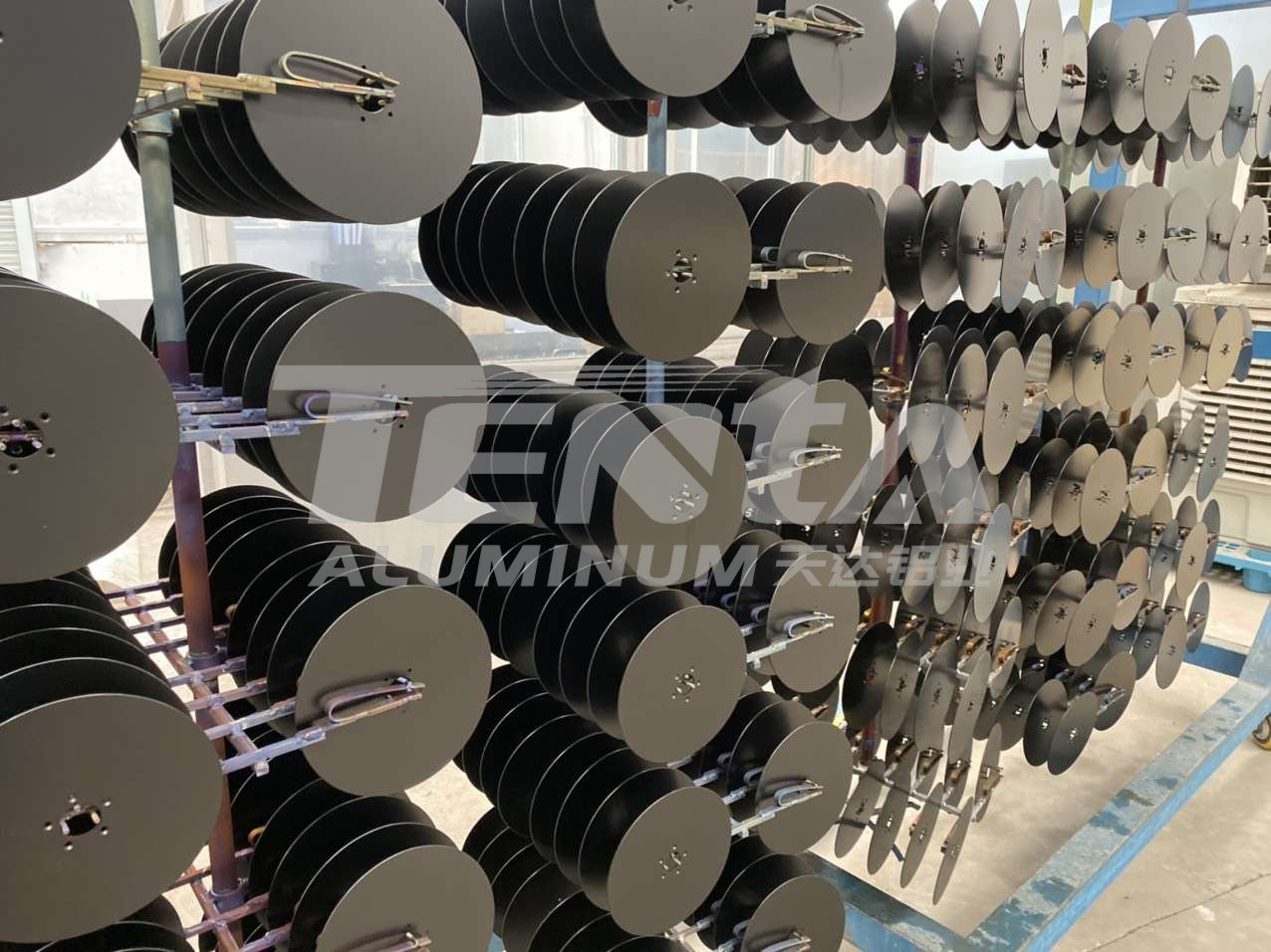
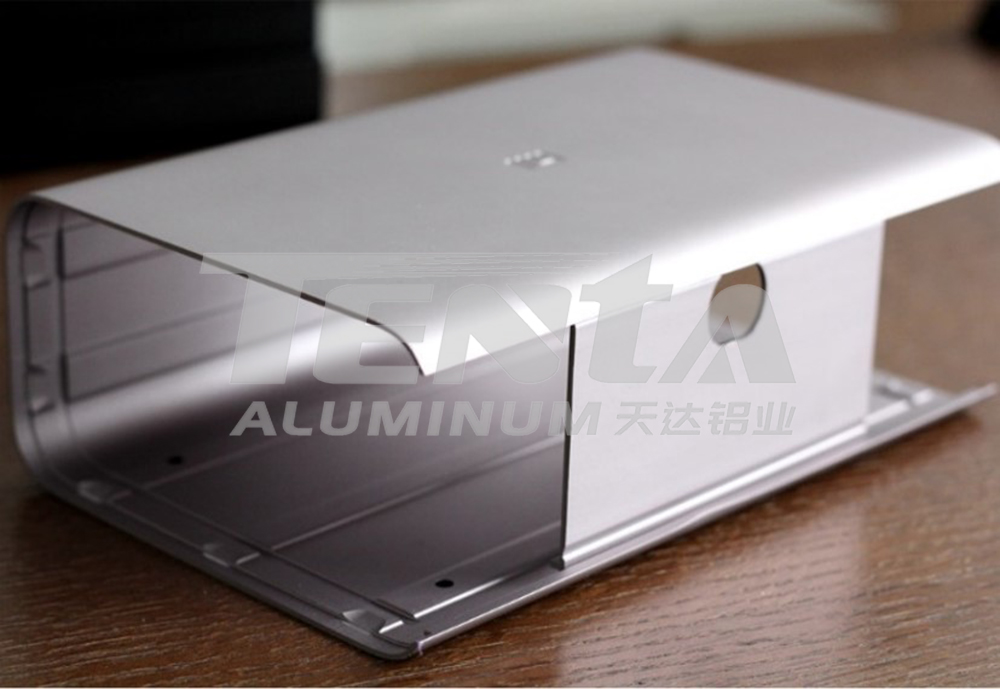
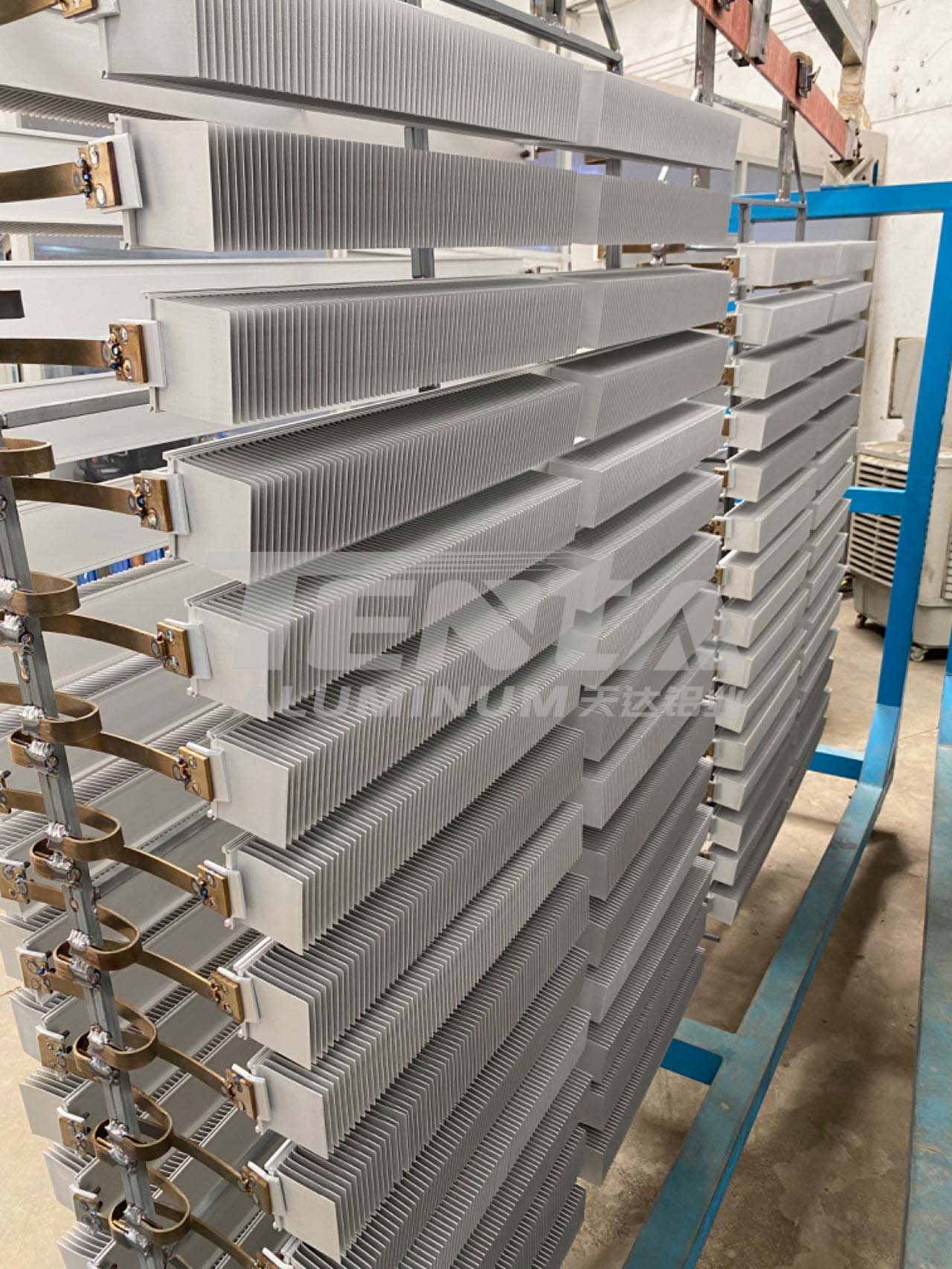
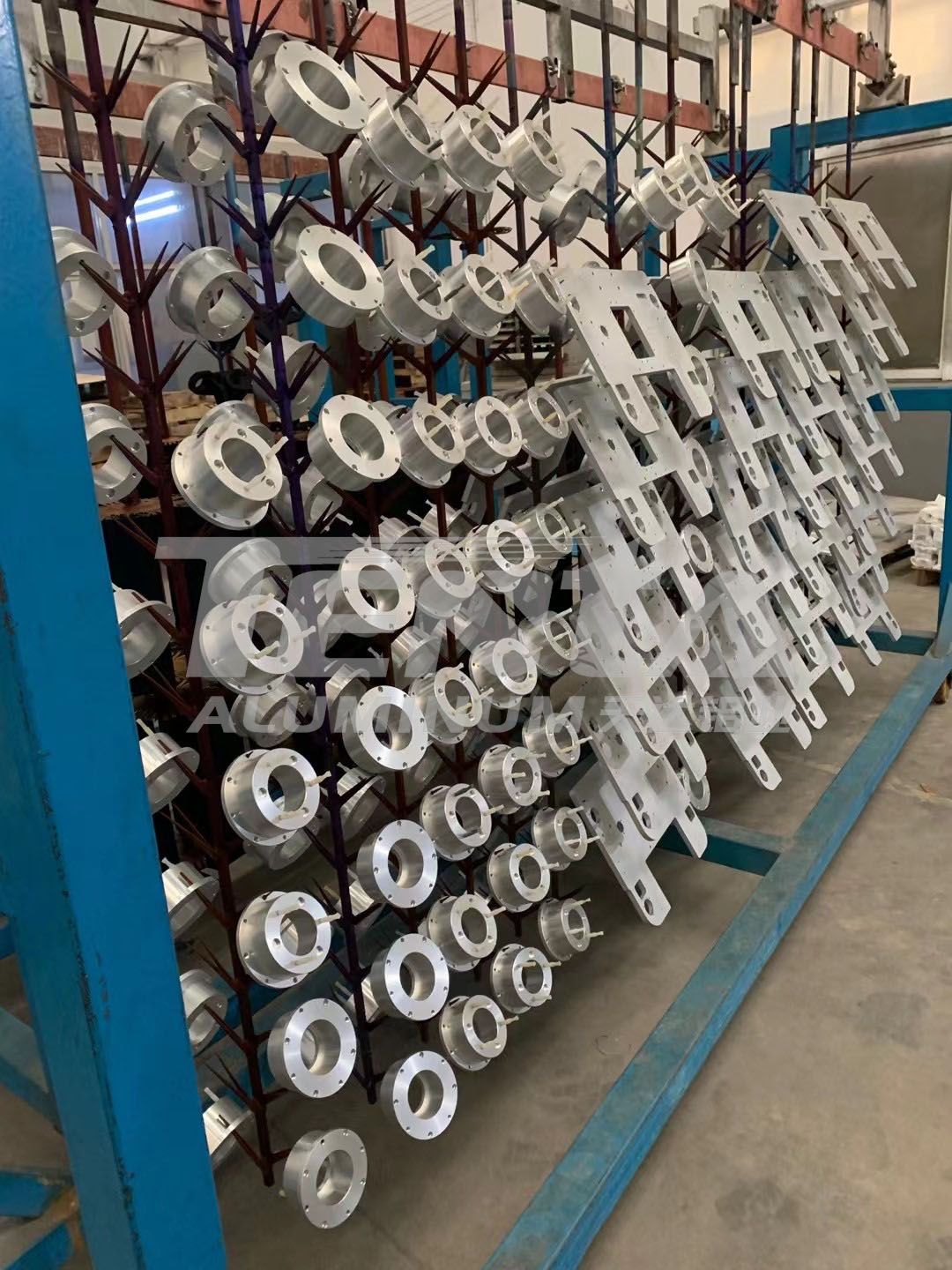
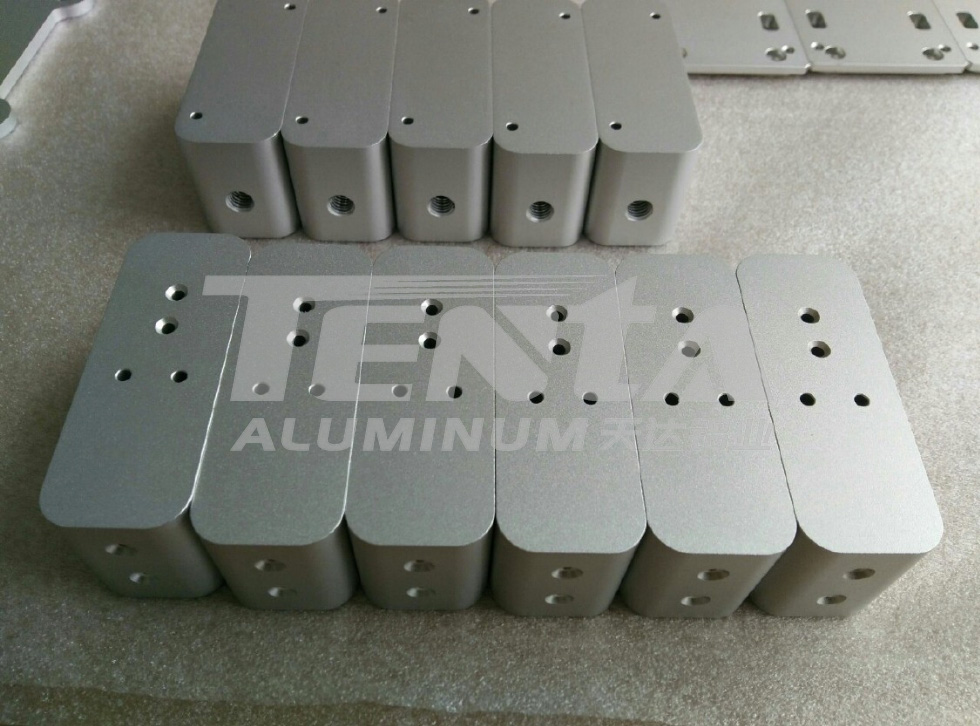
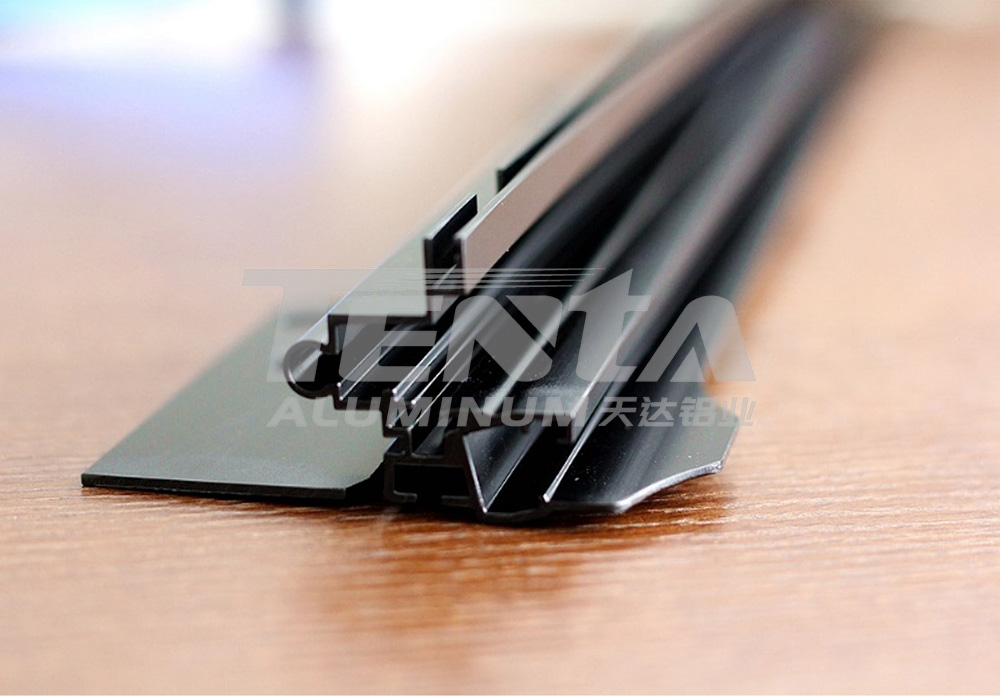
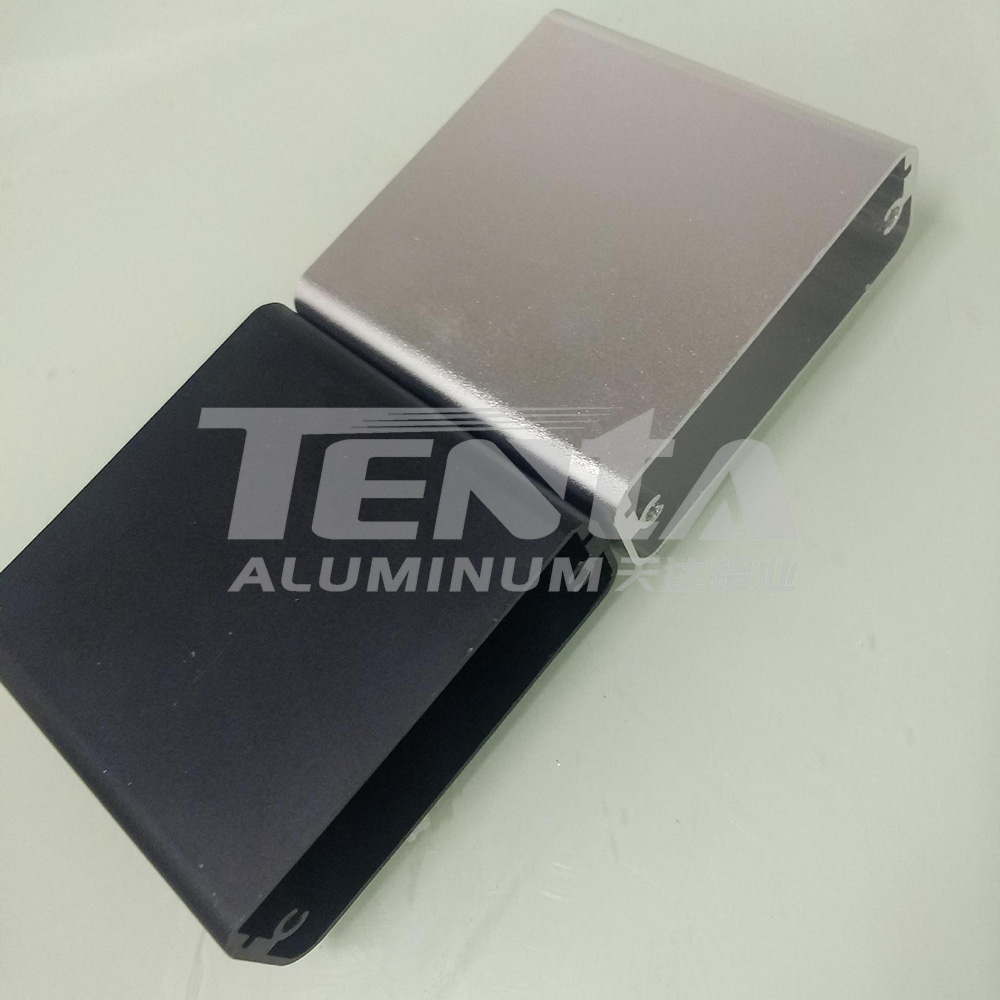
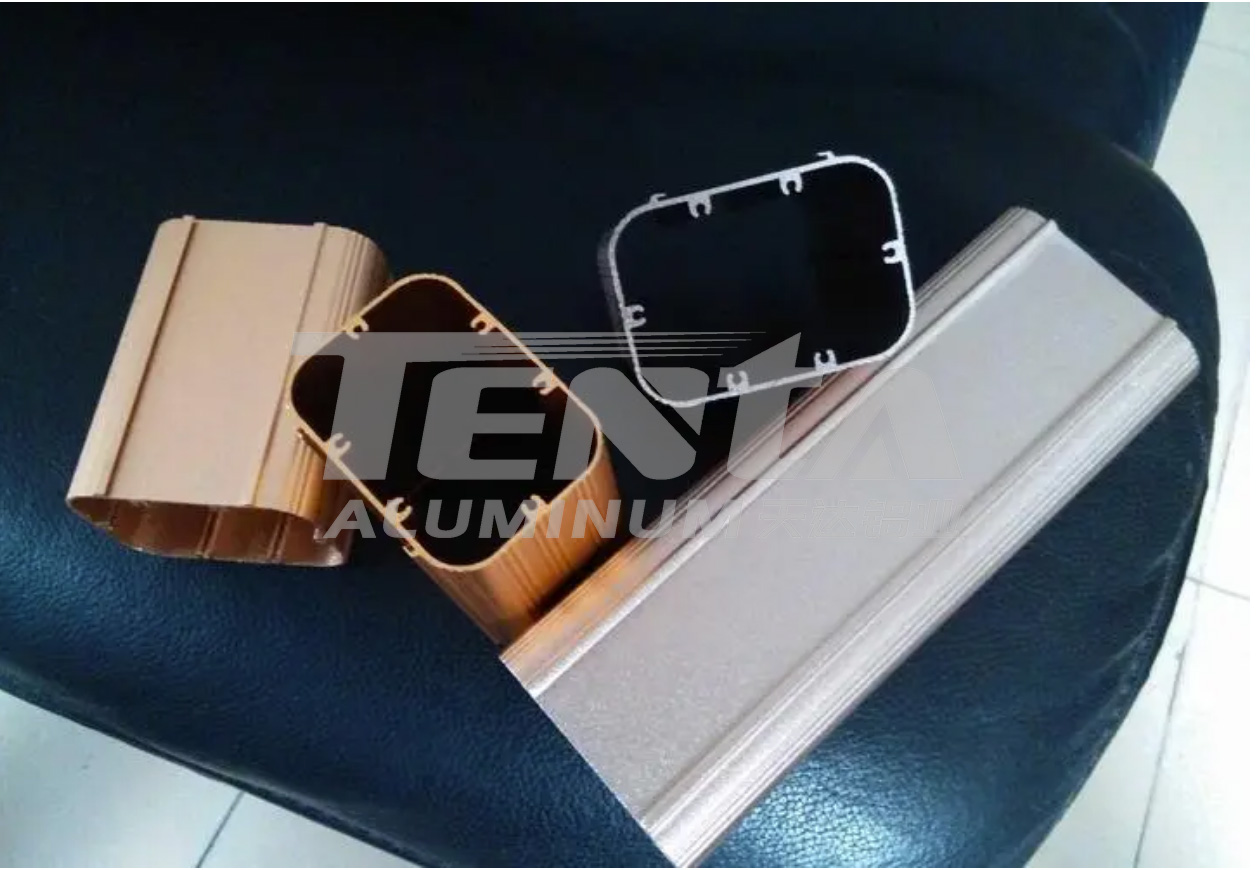
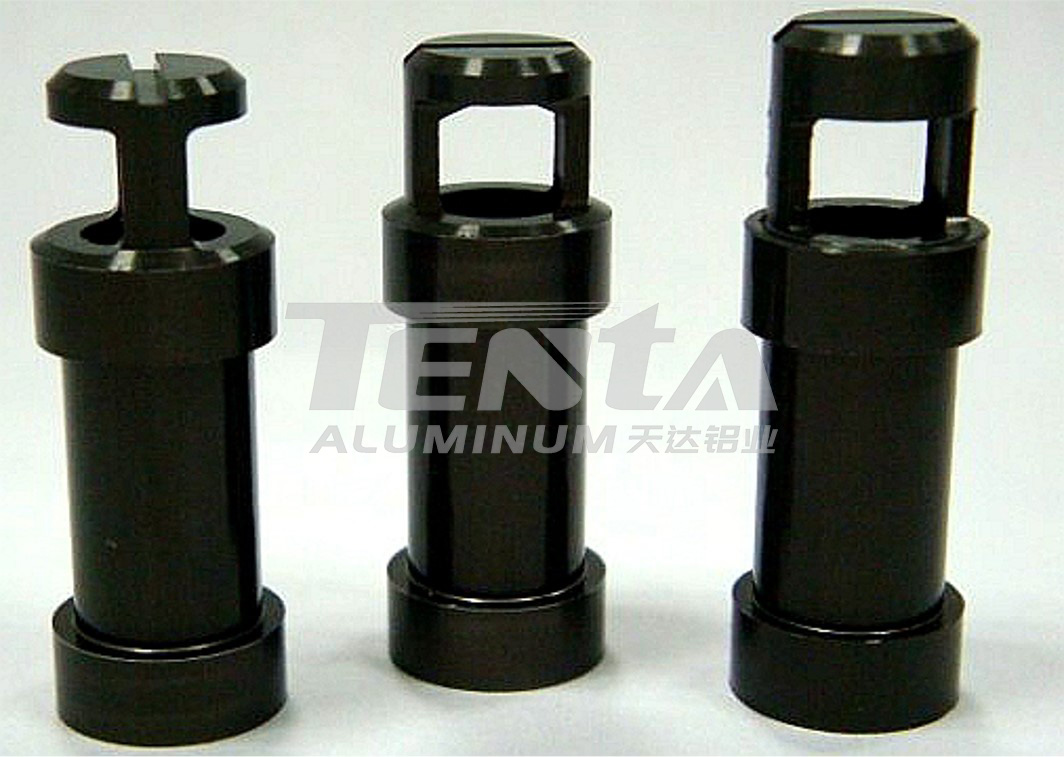
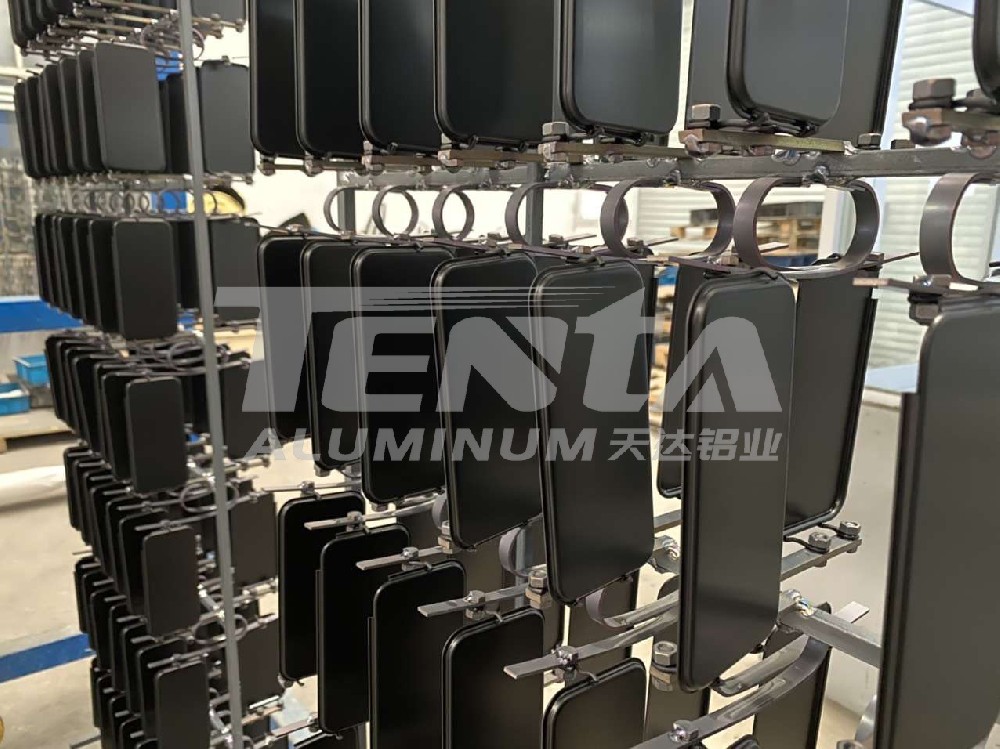
Aluminum alloy is a common metal material with advantages such as light weight, high strength, and corrosion resistance, and is therefore widely used in aerospace, automotive, construction and other fields. However, aluminum alloy surfaces are susceptible to oxidation, which can degrade surface quality and affect service life. To solve this problem, several different oxidation methods have been developed: hard anodizing, conventional anodizing, and micro-arc oxidation.
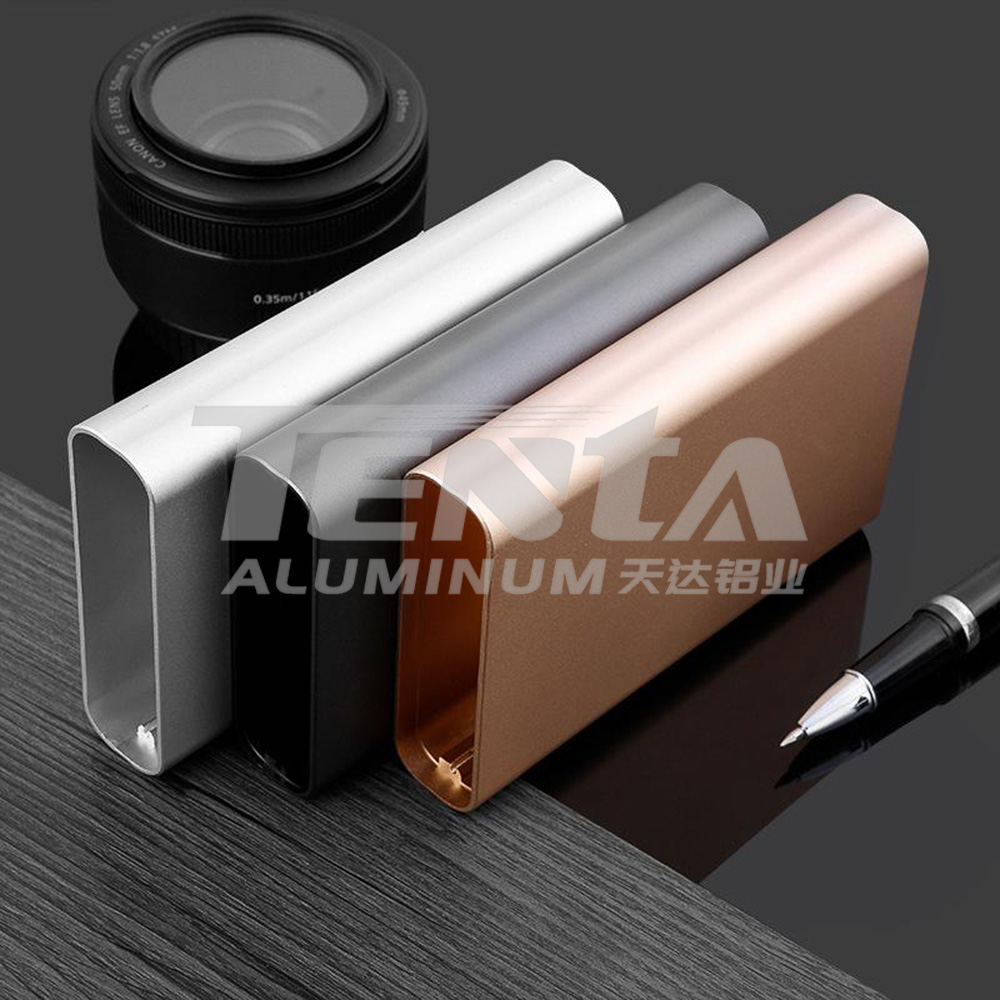
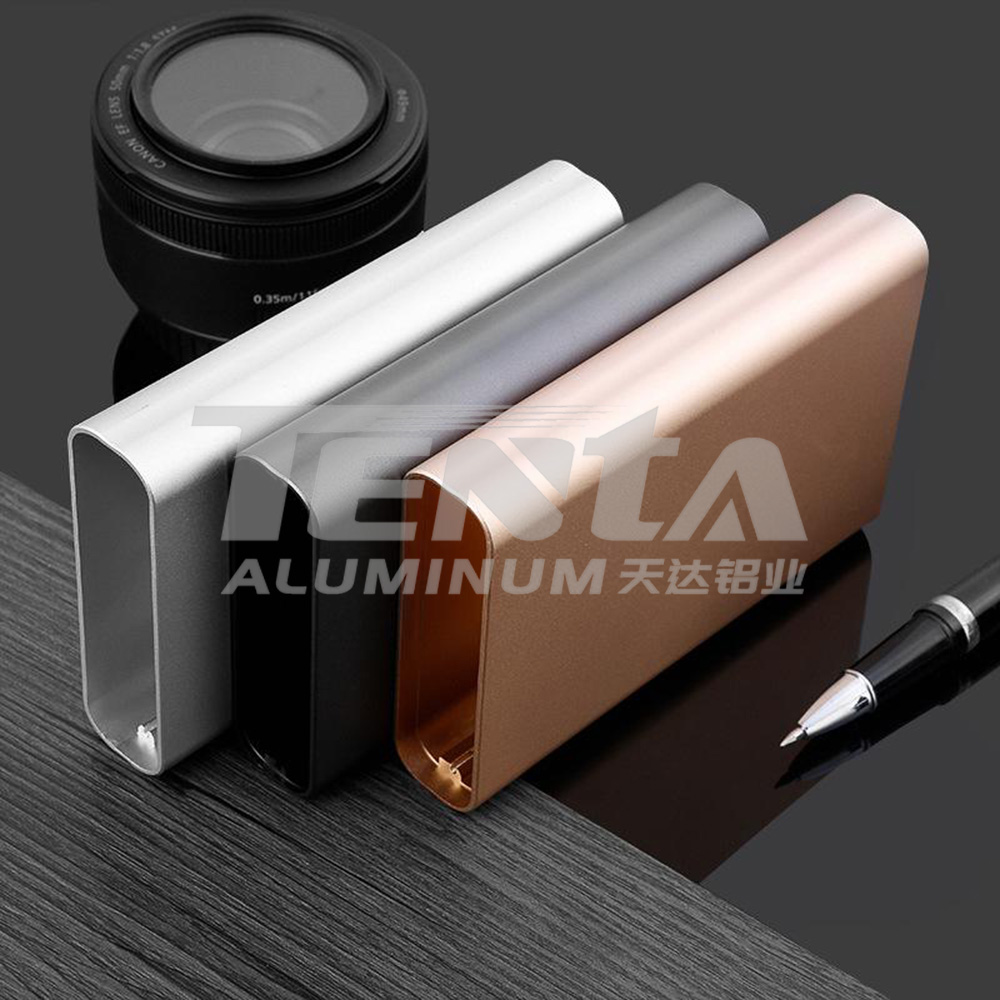
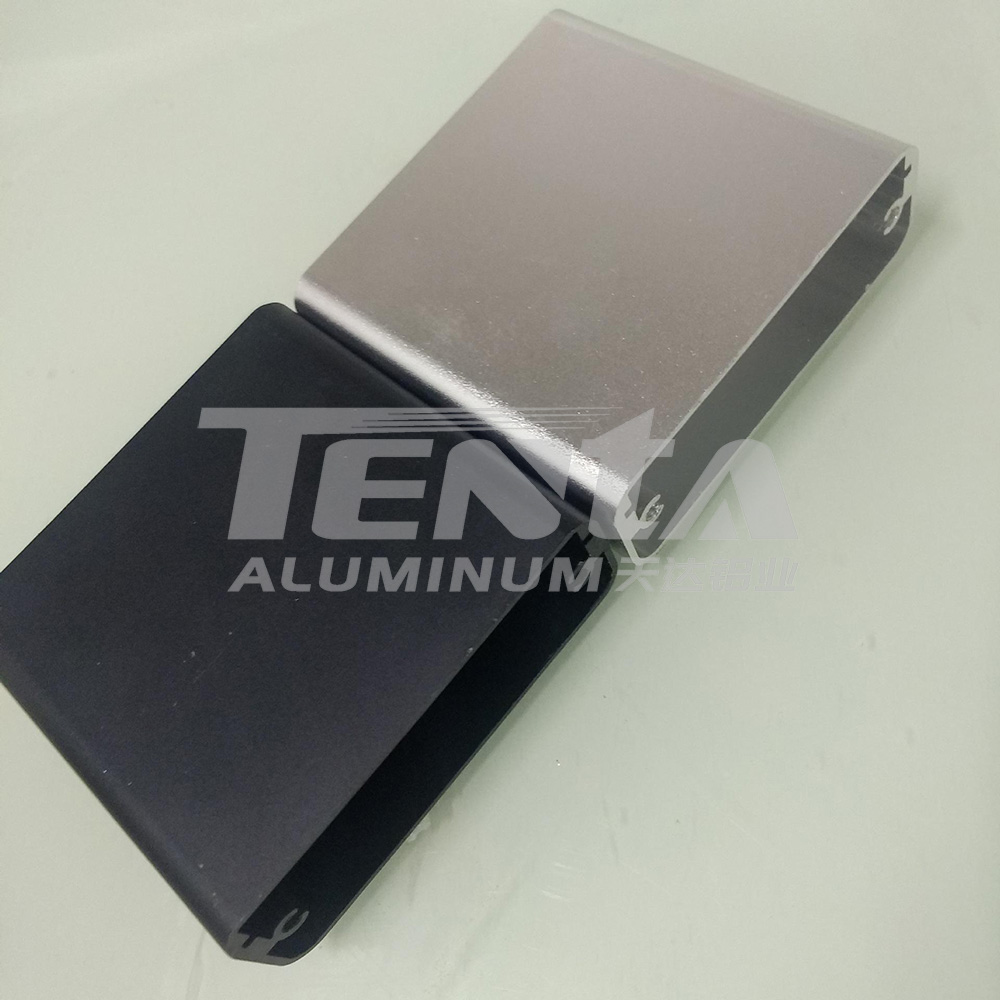
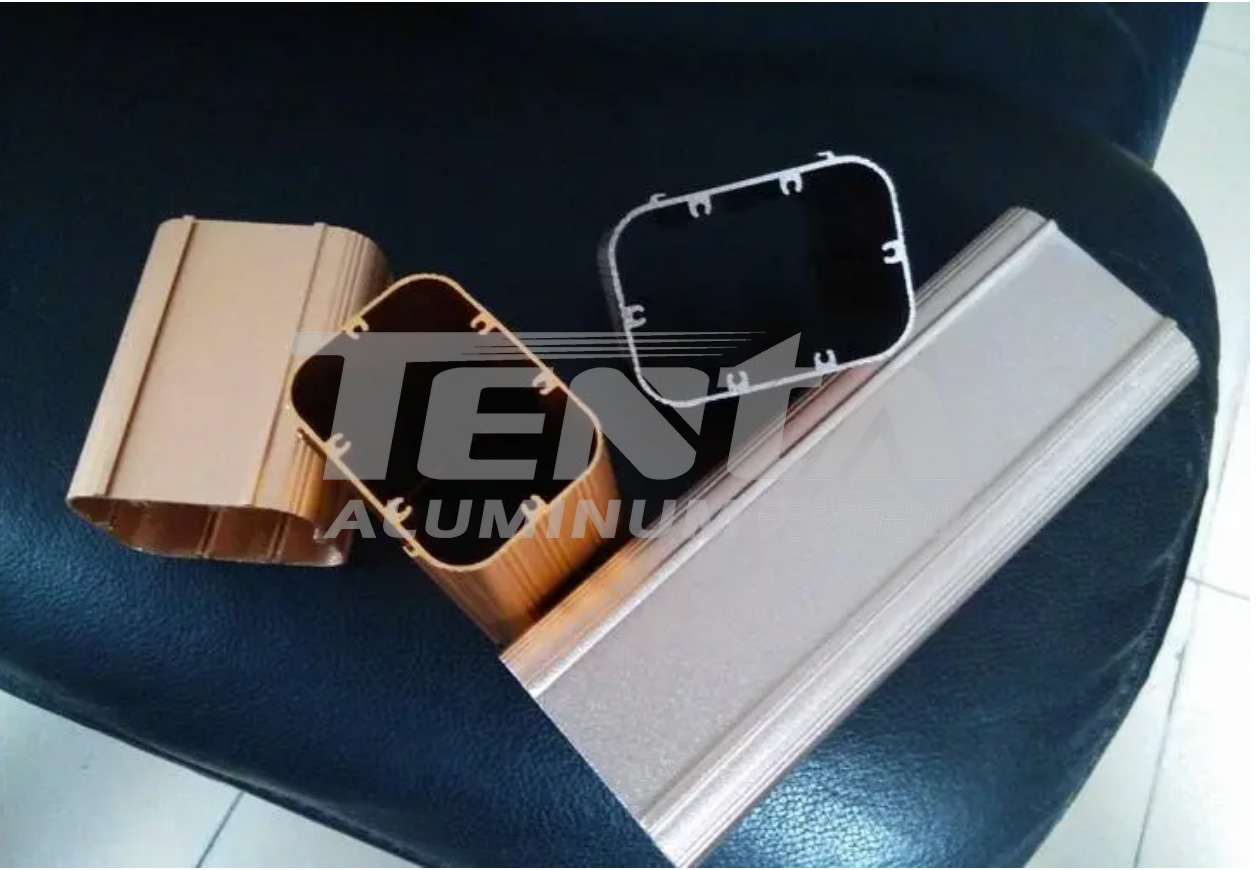
Conventional anodizing is a simple oxidation method that forms an oxide layer 5-20 microns thick on the aluminum alloy surface. This oxide layer provides a degree of corrosion resistance and decorative effect, giving the aluminum alloy surface different colors and gloss. The process involves immersing aluminum alloy parts in an electrolyte containing sulfuric acid and an oxidizing agent, and forming an oxide layer on the surface through an electrolytic reaction. The advantages of conventional anodizing are low cost, simple process, and good decorative results.
